
Quick Verdict
The post-ban meta has shifted from turbo to midrange. Blue Farm (Tymna/Kraum) dominates cEDH tournaments, while Fire Lord Azula and Cloud Strife rule high-power casual tables in late 2025.
TOP RECOMMENDATIONS
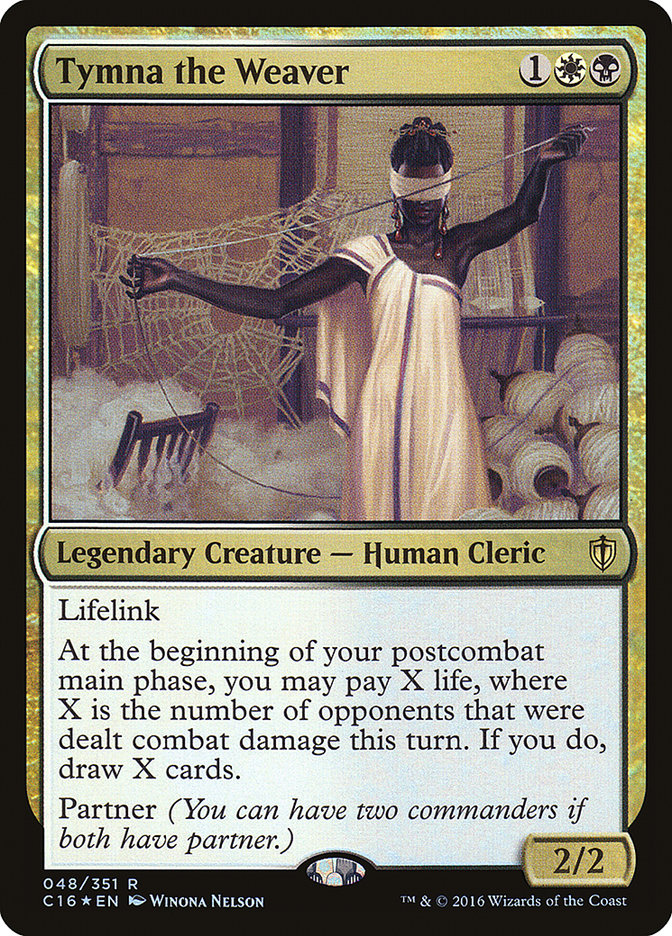
Tymna the Weaver
Tier 1 cEDH - One half of Blue Farm, the #1 cEDH deck
- ✓Draws cards whenever your creatures deal combat damage
- ✓Creates unstoppable value engine in the command zone
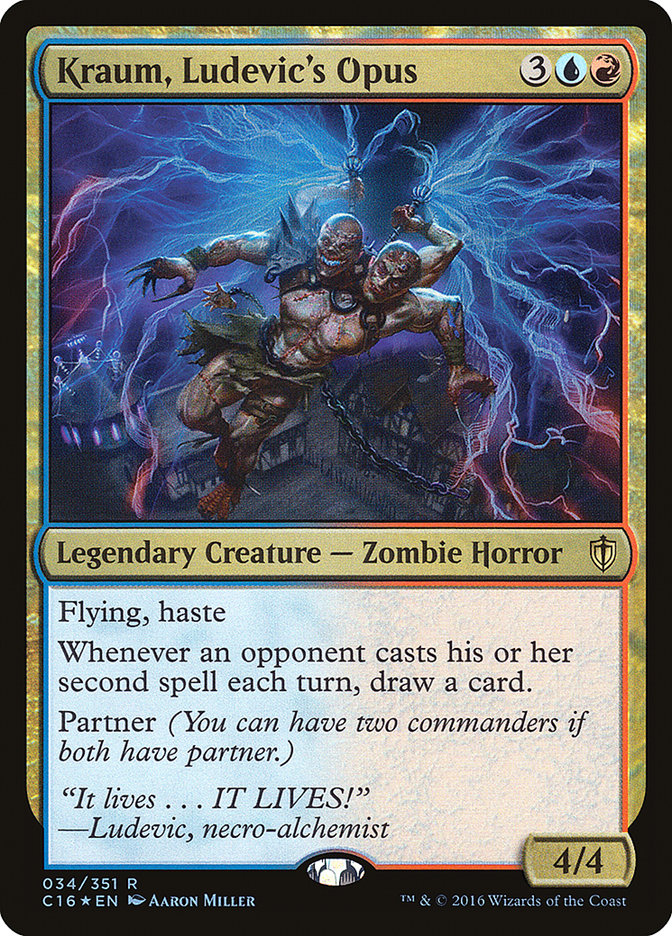
Kraum, Ludevic's Opus
Tier 1 cEDH - The other half of Blue Farm
- ✓Draws a card whenever an opponent casts their second spell each turn
- ✓Creates card advantage in multiplayer games
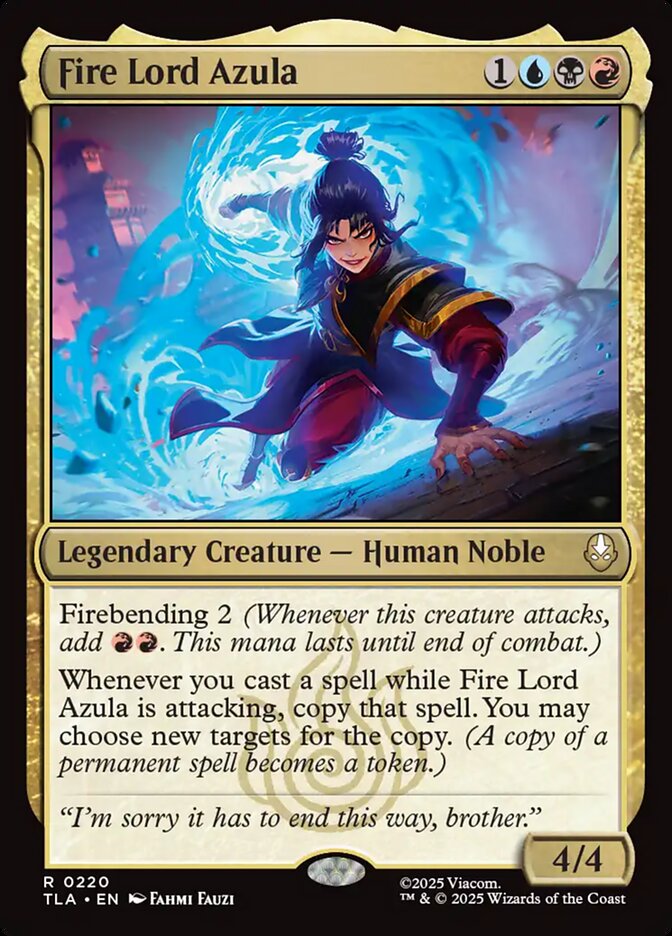
Fire Lord Azula
High-Power Casual - The #1 new high-power Commander of 2025
- ✓Copies instant and sorcery spells during combat
- ✓Creates explosive burn turns
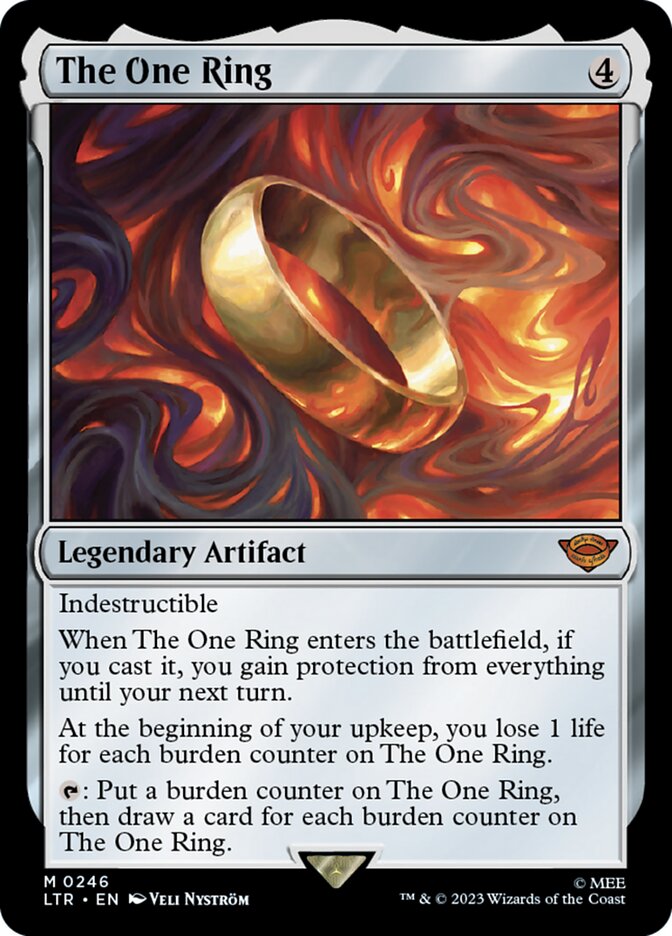
The One Ring
Format Staple - Still the king of card draw in 2025
- ✓Provides protection and massive card advantage
- ✓Played in almost every competitive Commander deck
.jpg)
Gamegenic Squire Deck Box (100+)
Best Value - The best deck box for competitive Commander
- ✓Holds 100+ double-sleeved cards
- ✓Secure latch and compact design
SAFETY TECHNOLOGY Expert Analysis.
The dust has settled from the "Great Bans" of late 2024. With Mana Crypt and Dockside Extortionist gone, the format has slowed down—but new kings have risen to take the throne.
The competitive Commander landscape in late 2025 looks nothing like it did a year ago. The September 2024 bans of Mana Crypt and Dockside Extortionist didn't just remove two cards—they fundamentally shifted the format's power structure. The era of "Turbo Ad Naus" decks winning on Turn 2 is over. Welcome to the age of Midrange Dominance.
This tier list is based on tournament data from EDHTop16, popularity metrics from EDHREC, and analysis of the current competitive meta. We're ranking decks by their objective win rates in cEDH tournaments and their dominance in high-power casual environments.
If you're looking to win tournaments, build the best deck for your local game store, or understand what you're up against, this is your guide to the late 2025 Commander meta.
The cEDH Tier List (Tournament Winners)
These are the objectively strongest decks in the format right now, ranked by tournament performance and win rates. The post-ban meta has created a clear hierarchy, and these decks sit at the top.
Tier 1: Blue Farm (Tymna the Weaver & Kraum, Ludevic's Opus)
Colors: Esper (White/Blue/Black) + Izzet (Blue/Red)
Strategy: Midrange Value Engine
Win Rate: ~28% in cEDH tournaments
Difficulty: High (requires tight play and threat assessment)
Blue Farm is the #1 cEDH deck in late 2025, and it's not close. Without Dockside Extortionist accelerating games, the format slowed down—and Tymna/Kraum provides the best card advantage engine in the command zone. This is the deck to beat.
Why It's #1:
Blue Farm dominates because the format shifted from "turbo" (fast wins) to "midrange" (grindy value). Tymna the Weaver draws you cards whenever your creatures deal combat damage, while Kraum, Ludevic's Opus draws you a card whenever an opponent casts their second spell each turn. Together, they create an unstoppable card advantage engine.
The Strategy:
- Early Game: Deploy mana rocks and cheap creatures to start drawing cards with Tymna.
- Mid Game: Use Kraum to draw cards off opponents' spells while building your board.
- Win Condition: Assemble a combo (usually Thoracle + Consultation or Breach lines) when you have enough resources and protection.
Key Cards:
- The One Ring - Still the king of card draw. Provides protection and massive card advantage.
- Rhystic Study - Draws cards off every opponent spell.
- Mystic Remora - Early-game card draw engine.
- Underworld Breach - Combo enabler that wins games.
- Thassa's Oracle - Primary win condition.
Why It Wins:
Blue Farm doesn't need to be the fastest deck—it just needs to out-value everyone else. In a slower format, the deck that draws the most cards wins. Tymna/Kraum ensures you always have more resources than your opponents.
Tournament Performance:
Blue Farm consistently places in the top 4 of cEDH tournaments. It has a positive win rate against almost every other deck in the format, with its only real weakness being faster turbo decks that can win before Blue Farm establishes its value engine.
Tier 1: RogSi (Rograkh, Son of Rohgahh & Silas Renn, Seeker Adept)
Colors: Mardu (Red/White/Black) + Dimir (Blue/Black)
Strategy: Turbo Combo
Win Rate: ~24% in cEDH tournaments
Difficulty: Very High (requires perfect sequencing)
Why It's Tier 1:
RogSi is the fastest "turbo" deck left in the format. While other turbo decks died with the Mana Crypt ban, RogSi adapted. It uses Necropotence and Underworld Breach to win on Turn 2-3, punishing decks that got too slow after the bans.
The Strategy:
- Turn 1-2: Cast Rograkh (free commander) and Silas, then use fast mana to cast Necropotence.
- Turn 2-3: Draw 20+ cards with Necropotence, find Underworld Breach, and combo off.
- Win: Use Breach + LED + Brain Freeze to mill opponents, or Thoracle + Consultation.
Key Cards:
- Necropotence - The engine. Draws massive amounts of cards for life.
- Underworld Breach - The combo piece. Enables infinite loops.
- Lion's Eye Diamond - Fast mana and combo piece.
- Brain Freeze - Win condition (mills opponents).
- Thassa's Oracle - Alternative win condition.
Why It Wins:
RogSi wins by being faster than the midrange decks. While Blue Farm is setting up value engines, RogSi is already comboing off. It's the deck that punishes the format's shift toward slower strategies.
Tournament Performance:
RogSi has a strong tournament record but is more inconsistent than Blue Farm. It either wins quickly or fizzles—there's no middle ground. Skilled pilots can consistently win on Turn 2-3, making it a tournament threat.
Tier 1: Kinnan, Bonder Prodigy (Midrange/Big Mana)
Colors: Simic (Blue/Green)
Strategy: Ramp + Combo
Win Rate: ~22% in cEDH tournaments
Difficulty: Medium (straightforward but requires mana management)
Why It's Tier 1:
Green ramp became premium after the fast-mana artifact bans. Kinnan breaks parity by doubling your mana production and wins with Basalt Monolith infinite mana loops. It's the best "big mana" deck in the format.
The Strategy:
- Early Game: Ramp hard with mana dorks and land-based acceleration.
- Mid Game: Use Kinnan's ability to double mana from nonland sources.
- Win: Generate infinite mana with Basalt Monolith + Kinnan, then win with Thrasios or Finale of Devastation.
Key Cards:
- Basalt Monolith - Infinite mana combo piece.
- Thrasios, Triton Hero - Partner option that draws cards and wins with infinite mana.
- Finale of Devastation - Win condition that tutors and gives haste.
- Mana Dorks - Llanowar Elves, Birds of Paradise, etc.
- Seedborn Muse - Untaps all your permanents each turn.
Why It Wins:
Kinnan wins by generating more mana than anyone else, then using that mana to win. The deck is resilient because it doesn't rely on artifacts—it uses creatures and lands, which are harder to remove.
Tournament Performance:
Kinnan consistently places in tournaments and has a positive win rate against midrange decks. It struggles against faster turbo decks but dominates slower value engines.
Budget-Friendly:
Kinnan is one of the best budget cEDH options because it doesn't need expensive fast mana rocks. It uses basic lands and mana dorks, making it viable without a $500+ investment.
Tier 2: The Contenders
These decks are strong but not quite Tier 1. They can win tournaments but require more skill or favorable matchups.
Tivit, Seller of Secrets
Strategy: Artifact Combo
Why Tier 2: Tivit generates massive value with artifacts and can combo off with Time Sieve or other artifact synergies. However, it's slower than Tier 1 decks and struggles against faster strategies.
Sisay, Weatherlight Captain
Strategy: 5-Color Superfriends
Why Tier 2: Sisay can tutor for legendary permanents and build powerful board states. However, the deck is vulnerable to board wipes and struggles in faster metas.
Magda, Brazen Outlaw
Strategy: Treasure Combo
Why Tier 2: The loss of Dockside Extortionist hurt Magda significantly. She's still viable but dropped from Tier 1. The format shift toward midrange also favors card advantage over fast combo.
The High-Power "Pubstomper" Meta (Casual Dominators)
These aren't cEDH decks, but they are the most popular and powerful decks at local game stores (LGS) driven by 2025 hype. They dominate casual tables and create the "pubstomper" problem—decks that are too strong for casual but not quite cEDH.
Fire Lord Azula (Avatar: The Last Airbender Set)
Strategy: Aggressive Burn & Combat
Popularity: #1 new deck on EDHREC (November 2025)
Power Level: High-Power Casual (8/10)
Fire Lord Azula is the #1 new deck on EDHREC. It's fast, brutal, and punishes slow setup turns. This is the deck that's dominating casual tables and making players groan when they see it across the table.
Why It Dominates:
Fire Lord Azula allows you to copy instant and sorcery spells cast during combat. This creates explosive turns where you cast a burn spell, copy it multiple times, and kill multiple players in a single combat step. The deck is fast, aggressive, and incredibly punishing.
The Strategy:
- Early Game: Ramp and deploy Azula.
- Mid Game: Cast burn spells during combat, copying them with Azula's ability.
- Win: Kill opponents with massive damage in a single turn.
Key Cards:
- Lightning Bolt - Efficient burn spell.
- Chain Lightning - More burn.
- Price of Progress - Punishes greedy mana bases.
- Underworld Breach - Enables explosive turns.
- Jeska's Will - Generates mana and draws cards.
Why It's a Problem:
Fire Lord Azula is too strong for casual tables but not quite cEDH. It creates a "pubstomper" situation where players bring it to casual games and dominate. The deck punishes slow setup turns and can kill players unexpectedly.
Upgrade Path:
The deck upgrades naturally with more efficient burn spells and protection for Azula. Cards like [[Deflecting Swat]] and [[Fierce Guardianship]] protect your game plan, while more burn spells increase consistency.
Cloud Strife, Ex-SOLDIER (Final Fantasy Set)
Strategy: Equipment Voltron
Popularity: Top 5 new deck on EDHREC (June 2025)
Power Level: High-Power Casual (8/10)
Why It Dominates:
Cloud Strife's "Limit Break" mechanic triggers when he deals combat damage, letting you copy instant and sorcery spells. Combined with equipment, he becomes a massive threat that can one-shot players unexpectedly. The deck is the new "Boogeyman" of casual tables.
The Strategy:
- Early Game: Ramp and deploy Cloud Strife.
- Mid Game: Equip Cloud with powerful equipment (Sword of Fire and Ice, etc.).
- Win: Attack with Cloud, trigger Limit Break, copy spells, and kill players in one turn.
Key Cards:
- Sword of Fire and Ice - Protection and card draw.
- Sword of Feast and Famine - Protection and untap effects.
- Batterskull - Resilient threat.
- Stoneforge Mystic - Tutors for equipment.
- Deflecting Swat - Protection for Cloud.
Why It's a Problem:
Cloud Strife can kill players out of nowhere. With the right equipment, he becomes a 10+ power threat that triggers Limit Break, copying spells and creating massive value. Casual players aren't prepared for this level of aggression.
Upgrade Path:
The deck upgrades with more expensive equipment and protection spells. Cards like [[Mox Amber]] and [[Jeweled Lotus]] accelerate the game plan, while more equipment tutors increase consistency.
SpongeBob SquarePants (aka Jodah, the Unifier)
Strategy: 5-Color Legends "Goodstuff"
Popularity: High (driven by meme value and actual power)
Power Level: High-Power Casual (7-8/10)
Why It Dominates:
While funny, the Jodah mechanics make this incredibly strong. Jodah gives all legendary creatures +X/+X where X is the number of legendary permanents you control. This creates a massive board state that demands a board wipe every other turn.
The Strategy:
- Early Game: Cast legendary creatures and ramp.
- Mid Game: Build a board of legendary creatures, each getting +5/+5 or more.
- Win: Overwhelm opponents with massive creatures.
Key Cards:
- Jodah, the Unifier - The Commander (SpongeBob reskin).
- Mox Amber - Mana acceleration for legendary-heavy decks.
- Blackblade Reforged - Makes Jodah massive.
- Hero's Blade - Free equipment for legendary creatures.
- Akroma's Will - Protection and finisher.
Why It's a Problem:
Jodah creates board states that are hard to interact with. Every legendary creature becomes a massive threat, and the deck generates so much value that opponents can't keep up. It's not cEDH, but it's too strong for casual.
Upgrade Path:
The deck upgrades with more powerful legendary creatures and protection spells. Cards like [[Thassa's Oracle]] and [[Demonic Consultation]] add combo potential, while more legendary creatures increase consistency.
Rising Stars & Rogue Picks (The "Anti-Meta")
These decks aren't Tier 1, but they're rising in popularity and can catch opponents off-guard. They're the "anti-meta" picks that punish the current dominant strategies.
The Necrobloom (Modern Horizons 3)
Commander: Gitrog Monster or Titania, Protector of Argoth
Strategy: Landfall/Graveyard Hybrid
Power Level: High-Power Casual (7-8/10)
Why It's Rising:
The Necrobloom combines landfall triggers with graveyard recursion, creating a value engine that grinds out games better than almost anything else. It's resilient, consistent, and punishes decks that rely on board wipes.
The Strategy:
- Early Game: Ramp with lands and landfall triggers.
- Mid Game: Use graveyard recursion to replay lands and generate value.
- Win: Overwhelm opponents with landfall triggers and massive creatures.
Key Cards:
- Gitrog Monster - Draws cards whenever a land enters your graveyard.
- Titania, Protector of Argoth - Creates Elemental tokens from lands.
- Ramunap Excavator - Replays lands from graveyard.
- Crucible of Worlds - More land recursion.
- Scapeshift - Mass land sacrifice and recursion.
Why It Works:
The Necrobloom grinds out value better than midrange decks. It doesn't need to combo off—it just needs to generate more value than opponents can handle. The deck is resilient because lands are hard to remove.
Storm, Force of Nature (Marvel Secret Lair)
Commander: Storm (Temur Spellslinger)
Strategy: Storm Combo
Power Level: High-Power Casual (8/10)
Why It's Rising:
Storm has become the de-facto "Storm" deck for high-power tables. It's a Temur spellslinger deck that can chain spells together and win with massive storm counts. The deck is fast, explosive, and catches opponents off-guard.
The Strategy:
- Early Game: Ramp and set up Storm.
- Mid Game: Chain spells together, building storm count.
- Win: Cast a massive [[Grapeshot]] or [[Tendrils of Agony]] to kill opponents.
Key Cards:
- Storm - The Commander (Marvel reskin).
- Grapeshot - Primary win condition.
- Tendrils of Agony - Alternative win condition.
- Mana Geyser - Generates massive mana.
- Past in Flames - Recurs spells from graveyard.
Why It Works:
Storm punishes slow decks by winning before they can set up. The deck is fast, explosive, and can win out of nowhere. It's the perfect "anti-meta" pick for tables dominated by midrange value engines.
Recommended Products: Top Competitive Commanders & Staples
Here are the essential cards and products for building competitive Commander decks in late 2025. See our top picks above for detailed recommendations.
The One Ring
Why It's Essential:
The One Ring remains the undisputed king of card draw in competitive Commander, even after a year in the format. This artifact provides two critical effects: protection from everything (making you nearly unkillable for a turn) and massive card advantage (drawing you cards equal to the number of burden counters on it). In a post-ban meta where value engines win games, The One Ring is the single most important card in competitive Commander.
How It Works:
When The One Ring enters the battlefield, you gain protection from everything until your next turn. Each turn, you can tap it to draw a card and put a burden counter on it. The card draw scales—you draw 1 card the first turn, 2 the second, 3 the third, and so on. This creates an exponential advantage that's nearly impossible for opponents to overcome.
Why It's in Every cEDH Deck:
The One Ring solves two problems that competitive decks face: survivability and card advantage. The protection effect buys you a crucial turn to set up your combo or establish your board, while the card draw ensures you always have more resources than your opponents. In Blue Farm and other midrange decks, The One Ring is often the difference between winning and losing.
Price & Availability:
The One Ring from Lord of the Rings: Tales of Middle-earth typically costs $40-50. While expensive, it's a format staple that goes in almost every competitive deck. If you're building cEDH, this is a must-have card.
Best For:
- Competitive Commander players building cEDH decks
- Midrange value engines (Blue Farm, Kinnan)
- Any deck that needs card draw and protection
- Players who want the best cards in the format
Gamegenic Squire Deck Box (100+)
Why You Need a Quality Deck Box:
Protecting a competitive Commander deck is non-negotiable. A cEDH deck can cost $500-2000+, and shuffling without proper storage causes edge wear, corner damage, and surface scratches that drop cards from Near Mint to Lightly Played. For expensive competitive decks, a quality deck box is essential protection.
Gamegenic Squire Features:
The Gamegenic Squire Deck Box is the industry standard for competitive Commander storage. It holds 100+ double-sleeved cards (perfect for Commander's 100-card requirement) and features a secure latch mechanism that keeps cards protected during transport. The compact design fits easily in backpacks and doesn't take up excessive space at game tables.
Why Gamegenic Over Alternatives:
While there are cheaper deck box options, the Squire offers the best balance of protection, capacity, and price. The secure latch prevents accidental openings, and the rigid construction protects cards from bending and crushing. The box is available in multiple colors, making it easy to organize multiple decks.
Best Practices:
- Always use deck boxes for competitive decks
- Double-sleeve cards before storing in deck boxes
- Use different colored boxes to organize multiple decks
- Keep extra boxes on hand for new decks
Value Proposition:
A $12-15 deck box protects a $500-2000+ competitive deck investment. Without proper storage, your cards will show wear after just a few tournaments, reducing their value and playability. It's a small upfront cost that saves money in the long run and ensures your deck remains tournament-ready.
FAQ: Understanding the 2025 Meta
Why is Magda, Brazen Outlaw seeing less play?
Answer: The loss of Dockside Extortionist hurt Magda significantly. She relied on treasure generation to accelerate her game plan, and without Dockside, she can't generate treasures fast enough. She's still viable but dropped from Tier 1 to Tier 2. The format shift toward midrange also favors card advantage over fast combo, which doesn't play to Magda's strengths.
Is Nadu unbanned?
Answer: No, Nadu, Winged Wisdom is still banned. Stay away from any decklists or strategies that claim Nadu is legal—it's not. The card was banned for creating oppressive gameplay patterns and remains on the banned list.
What is the best budget cEDH deck?
Answer: Kinnan, Bonder Prodigy or Yuriko, the Tiger's Shadow are the best budget cEDH options. They rely on basic lands and mana dorks rather than expensive fast mana rocks (like Mana Crypt, which is banned anyway). Kinnan uses creatures and lands for acceleration, while Yuriko uses ninjas and evasive creatures. Both can be built for under $500 and remain competitive.
Why did the format slow down after the bans?
Answer: The bans of Mana Crypt and Dockside Extortionist removed the fastest mana acceleration from the format. Without these cards, decks can't consistently win on Turn 2-3, forcing games to go longer. This shift favors midrange value engines (like Blue Farm) over turbo combo decks (like old Ad Naus builds).
What is the difference between cEDH and high-power casual?
Answer: cEDH (competitive EDH) decks are built to win tournaments and use the most powerful cards and strategies available. They're optimized for 1v1v1v1 competitive play. High-power casual decks are strong but not quite cEDH—they dominate casual tables but wouldn't win tournaments. The line is blurry, but cEDH decks are generally faster, more consistent, and use more expensive cards.
Why is Blue Farm called "Blue Farm"?
Answer: The name comes from the deck's strategy of "farming" value through card draw. Tymna and Kraum both draw cards, creating a "farm" of resources. The "Blue" refers to the deck's heavy blue color identity (though it's actually Esper + Izzet). It's a community nickname that stuck.
Can I play high-power decks at casual tables?
Answer: Technically yes, but it's not recommended. High-power decks like Fire Lord Azula and Cloud Strife are too strong for casual tables and create "pubstomper" situations. They'll dominate games and make the experience unfun for other players. Use Rule 0 to discuss power levels before games, and match your deck to the table's expectations.
Conclusion: Adapt or Die
The late 2025 Commander meta is defined by one thing: adaptation. The decks that survived the bans are the ones that adapted to a slower, more midrange format. The decks that dominate are the ones that generate the most value.
If you want to win a tournament, play Blue Farm. Tymna/Kraum is the undisputed #1 cEDH deck, and it's not close. The card advantage engine is unbeatable in a slower format.
If you want to rule your LGS, build Fire Lord Azula or Cloud Strife. These high-power casual decks dominate local game stores and create the "pubstomper" problem. They're too strong for casual but not quite cEDH.
If you want to play on a budget, build Kinnan or Yuriko. These decks don't need expensive fast mana rocks and remain competitive without $500+ investments.
The Bottom Line:
The format has changed. Turbo is dead. Midrange is king. Value engines win games. If you're not adapting to the post-ban meta, you're falling behind. Build Blue Farm for tournaments, build Azula for LGS dominance, or build Kinnan for budget competitive play.
The meta waits for no one. Adapt or die.
External References
- EDHTop16 - Tournament Data & Win Rates - Comprehensive cEDH tournament results and deck statistics
- EDHREC - Commander Popularity & Decklists - Popularity metrics, decklists, and upgrade guides for all Commanders
- cEDH Database - Competitive Decklists - Curated cEDH decklists and primers
Related Articles
Want to learn more about Commander deck building and the competitive meta?
- Best Magic: The Gathering Commander Decks of 2025 (Precons) - Review of the best preconstructed Commander decks
- Magic: The Gathering Meets Avatar: The Last Airbender Guide - Deep dive into the Avatar set and its Commanders
- SpongeBob Magic: The Gathering Cards Guide - Review of SpongeBob (Jodah) and other Secret Lair cards
Frequently Asked Questions
🔗 Related Resources
More Reviews:
Related Articles

How Much Does Magic: The Gathering Actually Cost in 2026?
Magic costs nothing to play and thousands to collect, and the gap between those two is entirely made of choices. Real 2026 numbers for every way to play, and why the price went up in January.

Is Magic: The Gathering Dying? What the 2026 Numbers Actually Say
Magic earned over $1.7 billion in 2025 — its best year ever, up 59%. So why does it feel like it's dying? The financial data, the player estimates, and the real thing people are reacting to.

Magic: The Gathering Card Size: Exact Dimensions, the Card Back, and Why Both Matter (2026)
MTG cards are 63 × 88 mm, about 0.3 mm thick and 1.8 g. What that means for sleeves and storage, what is printed on the back, and why the card's blue core is the backbone of authentication.