
Quick Verdict
The Ultimate Guard Katana remains the gold standard for competitive shuffle feel, while Dragon Shield Matte offers unmatched durability. Gamegenic Prime provides exceptional value, making it the best budget option for serious players.
CARD SLEEVES

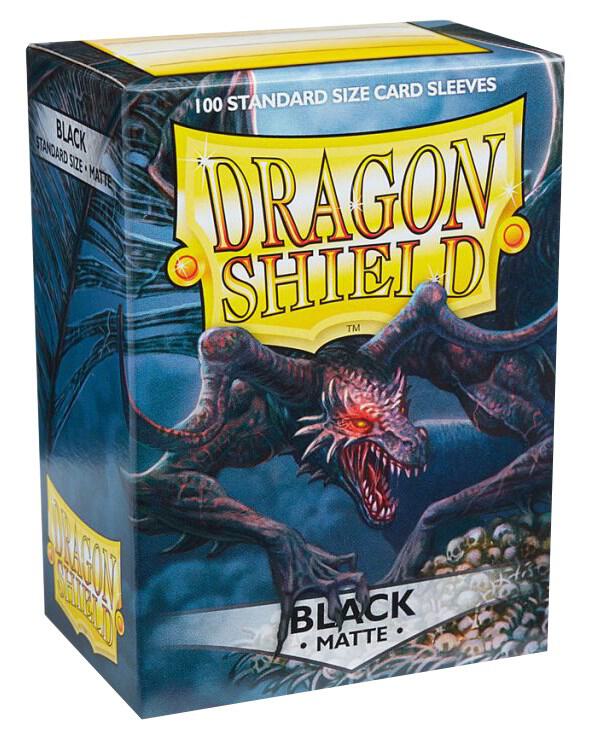
Ultra Pro Eclipse
Best for Foils - Excellent clarity with foil cards
- ✓Excellent clarity with foil cards
- ✓Good shuffle feel
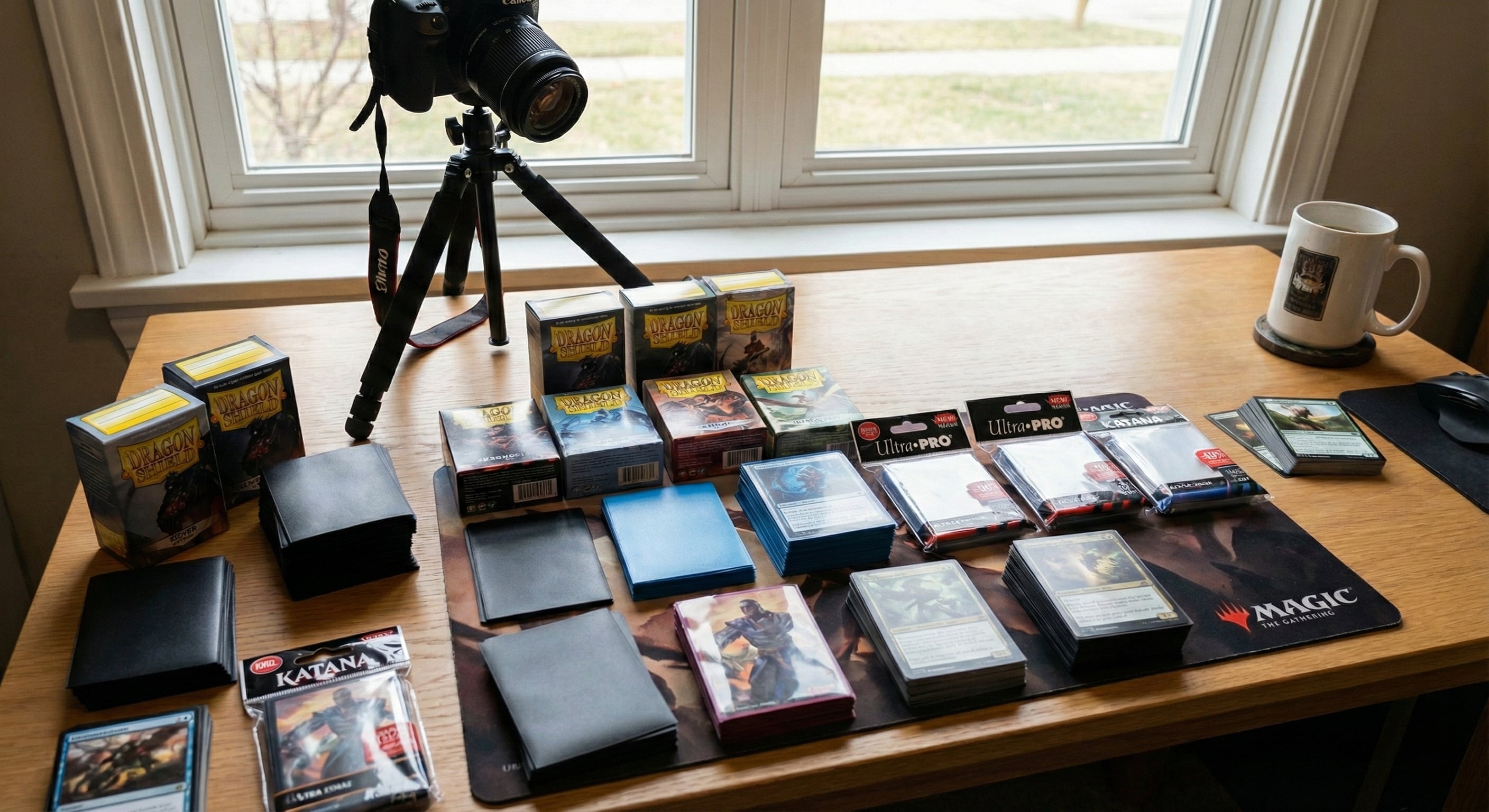
The best MTG card sleeves in 2026 are Ultimate Guard Katana for shuffle feel and Dragon Shield Matte for durability, with Ultra Pro Eclipse the pick for foils. Standard Magic card sleeves are 66 × 91 mm and fit any 63 × 88 mm card. Below is how every major brand ranks, and which to buy for Commander, tournaments and double-sleeving.
From the early days of Magic: The Gathering, when players would shuffle bare cards on tabletops, to the modern era where a single deck can represent thousands of dollars in value, card sleeves have transformed from a luxury into an absolute necessity. In 2026, the card sleeve market represents a sophisticated intersection of material science, competitive integrity, and player psychology.
The card sleeve you choose doesn't just protect your investment—it affects your gameplay, your tournament legality, and even your enjoyment of the game. A poor sleeve choice can turn a perfectly shuffled deck into a sticky, marked mess that costs you games. The right choice can become an extension of your playstyle, enabling smooth shuffling, clear card visibility, and tournament-ready protection.
This comprehensive guide evaluates the best Magic: The Gathering sleeves available in 2026, based on three critical factors: Durability (how long they last under heavy use), Shuffle Feel (the tactile experience that makes or breaks a play session), and Value (the intersection of price and performance). We've tested thousands of sleeves, consulted tournament rules, and analyzed material specifications to bring you definitive recommendations.
Whether you're protecting a $2,000 Commander deck, preparing for a Regional Championship, or just sleeving your first preconstructed deck, this guide will help you make an informed decision that protects both your cards and your competitive integrity.
Understanding Card Sleeves: The Science Behind Protection
Before diving into specific products, it's essential to understand what makes a great sleeve. The difference between premium and budget sleeves isn't just marketing—it's material science, manufacturing precision, and design philosophy.
The Anatomy of a Card Sleeve
Every card sleeve consists of three critical components:
1. The Material
- Polypropylene: The industry standard for premium sleeves. It's PVC-free, acid-free, and archival-safe, meaning it won't degrade or damage your cards over decades.
- Micron Thickness: Premium sleeves range from 60 to 100 microns. Thicker sleeves offer more protection but add bulk to your deck. Most professional sleeves use 80-90 microns for the ideal balance.
2. The Texture
- Matte Finish: A textured surface that reduces friction and prevents cards from sticking together. Essential for smooth mash shuffling.
- Glossy Finish: Offers maximum clarity but can become sticky after heavy use. Better for display but less practical for frequent shuffling.
3. The Construction
- Weld Seam: The sealed edge where the sleeve material joins. A poorly executed seam can catch during shuffling, leading to corner damage and potential "marked card" issues.
- Corner Design: Rounded corners reduce wear and prevent catching during shuffling. Premium brands use precision-cut corners that maintain their shape through thousands of shuffles.
"Shuffle feel" is the most cited yet least quantified metric in sleeve reviews. It's essentially a measurement of the coefficient of friction between sleeves during a mash shuffle. Brands like Ultimate Guard have mastered this through precise polypropylene formulations that allow seamless interweaving, while others prioritize durability over smoothness. The best sleeves balance both.
The Best MTG Card Sleeves of 2026: Tier List
After extensive testing across formats, playstyles, and usage patterns, we've organized the current sleeve market into three tiers based on competitive viability, durability, and value proposition.
Tier 1: The Competitive Kings
These sleeves are the choice of professional players, tournament grinders, and serious collectors. They represent the absolute peak of sleeve technology, combining durability, shuffle feel, and tournament compliance.
Ultimate Guard Katana
Rating: ⭐⭐⭐⭐⭐ (5/5) | Price: ~$10-14 per 100ct | Best For: Competitive play, smooth shuffling
Ultimate Guard Katana sleeves have earned their reputation as the "gold standard" of shuffle feel. The proprietary polypropylene formulation creates an almost frictionless surface that makes mash shuffling feel effortless. Professional players consistently rank Katana sleeves as their top choice for high-stakes tournaments.
What Makes Katana Exceptional:
The Katana line represents the pinnacle of "shuffle feel" engineering. The sleeves utilize a precise non-tacky polypropylene finish that allows seamless interweaving during mash shuffles. This is achieved through a proprietary manufacturing process that creates micro-textures on the surface, reducing friction without compromising durability.
Key Features:
- Superior Shuffle Feel: The smoothest mash shuffling experience available
- Consistent Quality: Excellent quality control across all colors
- Standard Sizing: 66 × 91 mm, compatible with inner sleeves
- 80 Micron Thickness: Optimal balance between protection and deck bulk
- Full Opacity: 100% opaque backs for double-faced card legality
The Trade-offs:
Katana sleeves have two notable weaknesses:
- Grime Accumulation: The smooth surface that makes shuffling easy also attracts skin oils and playmat dust. After 50-100 games, sleeves can develop a slight stickiness.
- Slippery When New: Fresh Katanas are notoriously slick, which can cause 100-card Commander decks to slide apart with minimal disturbance. This improves after a brief break-in period.
Who Should Buy Katana:
- Competitive players prioritizing shuffle speed
- Players who regularly attend tournaments
- Anyone willing to replace sleeves more frequently for optimal feel
- Budget-conscious players who value performance over longevity
The Translucency Trap
Light-colored Katana sleeves (white, yellow, light blue) may not be 100% opaque under bright tournament lighting. If you're using double-faced cards, always test opacity with inner sleeves or use darker colors. This applies to most premium sleeve brands.
Dragon Shield Matte
Rating: ⭐⭐⭐⭐ (4.5/5) | Price: ~$12-15 per 100ct | Best For: Durability, long-term protection
Dragon Shield has built its reputation on nearly indestructible sleeves. While the brand has faced quality control questions in recent years, the Matte line remains one of the most durable options available. The legendary "Jet" (black) Matte variant has been the workhorse of tournament players for over a decade.
What Makes Dragon Shield Matte Great:
Dragon Shield Matte sleeves utilize a coarser texture than Katana sleeves, which provides a more stable grip on the table but creates more resistance during shuffling. Players describe this as "warmer" or "scratchier" than Katana, but it prevents the slippery deck phenomenon.
Key Features:
- Exceptional Durability: Weld seams that withstand thousands of shuffles
- Color Consistency: Extensive color range with good opacity
- 90 Micron Thickness: Slightly thicker than Katana for extra protection
- Strong Corners: Precision-cut corners that resist bending
- Proven Track Record: Decades of tournament use
The Quality Control Question:
Since 2020, community reports have noted inconsistencies in Dragon Shield production:
- Corner Stepping: Some batches (particularly "Pomegranate" and "Orchid" variants) have jagged bottom corners that catch during shuffles
- Color Variance: Slight opacity differences between color batches
- Weld Seam Inconsistencies: Occasional batches with weaker seams
These issues don't affect every production run, but they're worth noting. The classic "Jet" (black) Matte remains the most consistent variant.
Who Should Buy Dragon Shield Matte:
- Players prioritizing long-term durability
- Commander players who want sleeves to last for years
- Anyone who shuffles aggressively
- Players seeking proven reliability over cutting-edge feel
Ultra Pro Eclipse (2026 Formulation)
Rating: ⭐⭐⭐⭐ (4/5) | Price: ~$14-18 per 100ct | Best For: Foil card clarity, art sleeves
What Makes Eclipse Stand Out:
The Ultra Pro Eclipse line addresses one of the major complaints about matte sleeves: they can dull the appearance of foil cards. Eclipse sleeves use a unique front treatment that maintains clarity while using a matte back for shuffling.
Key Features:
- High Clarity Front: Doesn't dull foil card appearance
- Matte Back: Smooth shuffling without stickiness
- Art Sleeve Technology: The same formulation used in licensed art sleeves
- Good Opacity: Solid backing prevents double-faced card visibility
- Edge of Eternities Line: New space-themed art sleeves use improved Apex technology
Who Should Buy Eclipse:
- Players with extensive foil collections
- Anyone using art sleeves for competitive play
- Players who prioritize card visibility
- Collectors displaying valuable cards
Tier 2: The Daily Workhorses
These sleeves offer excellent performance at more accessible price points. They're perfect for regular play, multiple decks, or players who want quality without premium pricing.
Gamegenic Prime
Rating: ⭐⭐⭐⭐ (4/5) | Price: ~$10-13 per 100ct | Best For: Value, multiple decks
Gamegenic Prime represents the best intersection of price and performance in the current market. At sub-$10 price points (when on sale), these sleeves offer 90% of Katana's performance at 70% of the cost. They've become a favorite among budget-conscious competitive players.
What Makes Prime Excellent:
Gamegenic Prime sleeves strike an impressive balance between shuffle feel, durability, and cost. While not quite as smooth as Katana, they're significantly smoother than budget options and nearly as durable as Dragon Shield.
Key Features:
- Exceptional Value: High performance at budget prices
- Good Shuffle Feel: Smooth enough for competitive play
- Consistent Quality: Reliable manufacturing across batches
- Multiple Color Options: Extensive color selection
- 80 Micron Thickness: Standard protection level
Who Should Buy Prime:
- Players building multiple Commander decks
- Budget-conscious competitive players
- Anyone seeking maximum value
- Players who replace sleeves frequently anyway
KMC Hyper Matte
Rating: ⭐⭐⭐ (3.5/5) | Price: ~$9-12 per 100ct | Best For: Double-sleeving systems
What Makes Hyper Matte Notable:
KMC (Kobayashi Masahiko Corporation) pioneered the modern double-sleeving system. While their Hyper Matte outer sleeves aren't the best on their own, they're designed specifically to work with KMC Perfect Fit inner sleeves, creating the most reliable double-sleeving combination.
Key Features:
- Perfect Fit Integration: Designed to work seamlessly with KMC inner sleeves
- Reliable Double-Sleeving: The standard for professional double-sleeving
- Good Opacity: Solid backing for tournament play
- Japanese Quality: Consistent manufacturing standards
Who Should Buy KMC Hyper Matte:
- Players who exclusively double-sleeve
- Anyone using KMC Perfect Fit inner sleeves
- Players who prefer the KMC ecosystem
Tier 3: Budget and Storage Solutions
These sleeves are acceptable for casual play, storage, or situations where cost is the primary consideration. They're not recommended for tournament play or valuable collections.
Ultra Pro Penny Sleeves
Rating: ⭐⭐ (2/5) | Price: ~$1-2 per 100ct | Best For: Bulk storage, tokens
What They're Good For:
Penny sleeves are PVC-free polypropylene sleeves designed for bulk storage. They're too flimsy for regular play but perfect for protecting bulk rares, tokens, or sideboard cards that don't need premium protection.
Key Features:
- Extremely Affordable: The cheapest protection available
- PVC-Free: Won't damage cards
- Bulk Storage: Perfect for organizing collections
- Token Storage: Ideal for storing tokens and dice
Who Should Use Penny Sleeves:
- Players storing bulk collections
- Token and sideboard card storage
- Anyone needing hundreds of sleeves cheaply
- Not recommended for: Play, valuable cards, or tournament use
The Double-Sleeving Masterclass
Double-sleeving is the gold standard for protecting valuable collections and ensuring tournament legality for double-faced cards. However, doing it incorrectly can damage your cards or create a "puffy deck" that's impossible to shuffle.
Why Double-Sleeve?
1. Maximum Protection: Two layers of protection guard against spills, dirt, and wear 2. Double-Faced Card Legality: Required for using actual DFCs instead of checklist cards 3. Moisture Barrier: Prevents foil cards from curling in humid environments 4. Tournament Security: Reduces risk of "marked card" penalties from wear
The Perfect Double-Sleeving Technique
The Vacuum Seal Method
The key to successful double-sleeving is creating a proper vacuum seal that removes air between the sleeves. This prevents the "puffy deck" phenomenon and creates a professional, compact deck.
Step 1: Choose Your Inner Sleeve
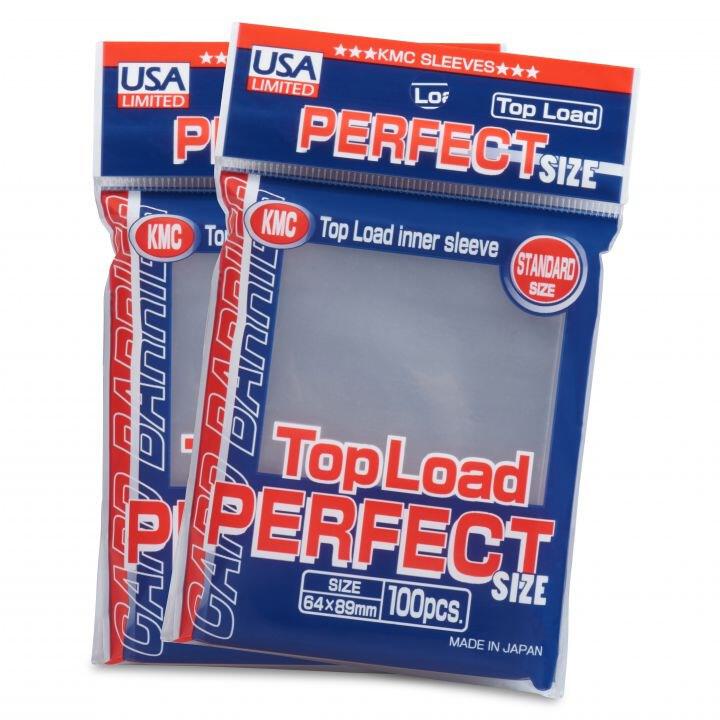
KMC Perfect Fit: The industry standard. 64 × 89 mm, fits snugly around cards. Available in clear or "smoke" (semi-transparent gray) variants.
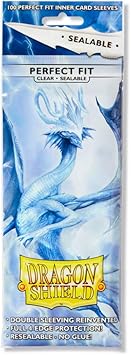
Dragon Shield Sealable Inner Sleeves: A newer option that creates a true seal. More expensive but eliminates air bubbles entirely.
Step 2: Insert the Card
- Slide the card into the inner sleeve with the opening at the top (opposite the bottom edge)
- Ensure the card is fully seated and the inner sleeve fits snugly
- Don't force it—a properly sized inner sleeve should slide on easily
Step 3: Insert into Outer Sleeve
- Take your outer sleeve and hold it open
- Insert the inner-sleeved card with the inner sleeve opening at the bottom (opposite the outer sleeve opening)
- This creates a double-seal: inner sleeve opens up, outer sleeve opens down
- Gently push the card all the way in
Step 4: Remove Air Bubbles
Dealing with the Puffy Deck
If your double-sleeved deck feels thick and airy, you have trapped air. Store the deck in a tight deck box for 24-48 hours, or place it under a heavy book. The air will gradually escape, creating a proper vacuum seal.
Method 1: Tight Storage
- Place the deck in a deck box that's just slightly larger than needed
- Store for 24-48 hours
- The pressure will gradually force air out
Method 2: Weight Compression
- Place the deck on a flat surface
- Cover with a heavy book (dictionary, textbook)
- Leave for 24 hours
- Check periodically to ensure cards aren't bending
Method 3: Manual Compression
- Hold the deck firmly
- Gently compress from the sides
- Work your way around the deck
- Repeat several times over the first few hours
Inner Sleeve Recommendations
See our top picks above for detailed recommendations on inner sleeves for double-sleeving.
Tournament Legality: How to Avoid a Game Loss
Understanding Magic Tournament Rules (MTR) sections 3.11 and 3.12 is crucial for competitive play. Violations can result in game losses, match losses, or even disqualification.
MTR 3.11: Sleeve Uniformity
The Rule: All sleeves in your deck must be identical in brand, color, and condition. You cannot mix different brands, different colors, or sleeves in different states of wear.
What This Means:
- All 60 (or 100) sleeves must be from the same manufacturer
- All sleeves must be the same color
- All sleeves must be in similar condition (no mixing new and worn sleeves)
- Sideboard sleeves must match main deck sleeves
Common Violations:
- Mixing Dragon Shield and Katana sleeves
- Using different colors for main deck and sideboard
- Replacing damaged sleeves with different brand/color mid-tournament
- Mixing old and new sleeves of the same brand
MTR 3.11: Double-Faced Card Opacity
The Rule: If you're using actual double-faced cards (not checklist cards), your sleeves must be completely opaque. A judge must not be able to identify a double-faced card from the back.
What This Means:
- Light-colored sleeves (white, yellow, light blue, pink) are often not 100% opaque
- Under bright tournament lighting, the transformation side may be visible
- This constitutes a "marked card" violation
- Solution: Use "smoke" inner sleeves or darker outer sleeves
The Light-Color Trap
Many high-quality matte sleeves in light colors are not 100% opaque under tournament lighting. Always test your sleeves with a double-faced card under bright light. If you can see any hint of the card face through the back, use smoke inner sleeves or choose darker colors.
MTR 3.12: Marked Cards
The Rule: Cards are considered "marked" if they can be identified from the back or side while face-down in your library. This includes sleeves with noticeable wear, bends, scratches, or other distinguishing features.
Common Marking Issues:
- Corner Damage: Nicked or bent corners that stand out
- Surface Wear: Scratches or scuffs that create visible patterns
- Air Bubbles: Significant bubbles that make some sleeves thicker
- Color Fading: Uneven wear that changes sleeve appearance
- Manufacturing Defects: Visible imperfections from production
How to Avoid Marked Card Penalties:
- Inspect Regularly: Before each tournament, check all sleeves for damage
- Replace Proactively: Don't wait for visible damage—replace sleeves showing wear
- Consistent Handling: Avoid rough shuffling that causes corner damage
- Proper Storage: Store decks in deck boxes that protect sleeves
- Fresh Sleeves for Big Events: Consider resleeving before major tournaments
Professional players often have a "tournament sleeve" protocol: fresh sleeves for every major event, stored in a clean deck box, and never used for casual play. While this is expensive, it eliminates any risk of marked card penalties at the highest level of competition.
Format-Specific Considerations
Different Magic formats have different sleeve requirements and considerations. Understanding these nuances helps you choose the right sleeves for your playstyle.
Commander (EDH): The 100-Card Challenge
Commander decks present unique challenges:
Deck Size: 100 cards (plus commander) means you need more sleeves and the deck will be bulkier when double-sleeved.
Shuffling Frequency: Commander games involve less shuffling than competitive formats, so shuffle feel is less critical than durability.
Long-Term Investment: Commander decks often last for years, making durability a priority over cutting-edge feel.
Deck Box Requirements: A 100-card double-sleeved deck requires a large deck box. Standard deck boxes may not fit.
Commander Sleeve Strategy
For Commander, prioritize durability over shuffle feel. Dragon Shield Matte or Gamegenic Prime are excellent choices. Consider that you'll need 100+ sleeves (plus extras for tokens), so value matters more than in 60-card formats.
Recommended Sleeves for Commander:
- Dragon Shield Matte: Maximum durability for long-term use
- Gamegenic Prime: Excellent value for multiple decks
- Ultimate Guard Katana: If shuffle feel matters to your playstyle
Competitive Formats (Modern, Legacy, Standard)
Competitive formats demand different priorities:
Shuffling Intensity: Fetch lands, tutors, and deck searching mean constant shuffling. Shuffle feel becomes critical.
Tournament Frequency: Regular tournament play means sleeves see heavy use. Durability matters, but replacing sleeves more frequently is acceptable.
Time Pressure: Smooth shuffling saves time during rounds, reducing the risk of slow play warnings.
Marked Card Risk: High-stakes events mean zero tolerance for marked cards. Fresh sleeves for major tournaments are standard.
Recommended Sleeves for Competitive Play:
- Ultimate Guard Katana: The competitive standard for shuffle feel
- Dragon Shield Matte: If durability is your priority
- Ultra Pro Eclipse: If you play with many foils
Limited (Draft/Sealed)
Limited formats have unique considerations:
Temporary Use: Sleeves are used for a few rounds then discarded or reused. Premium sleeves may be overkill.
Time Pressure: Quick sleeving between rounds is important. Easy-to-use sleeves matter.
Budget Considerations: If you draft regularly, sleeve costs add up. Value sleeves make sense.
Recommended Sleeves for Limited:
- Gamegenic Prime: Best balance of quality and value
- Ultra Pro Eclipse: Good for players who draft frequently
- Budget Options: Acceptable for one-time use drafts
Maintenance, Hygiene, and Longevity
Understanding how to care for your sleeves extends their lifespan and maintains playability. However, there's a point where cleaning becomes less cost-effective than replacement.
The Lifecycle of a Sleeve
Stage 1: New (0-20 games)
- Optimal performance period
- Best shuffle feel
- Tournament-ready condition
- Use: Competitive tournaments, important matches
Stage 2: Broken-In (20-50 games)
- Shuffle feel has stabilized
- Slight wear visible on edges
- Still tournament-legal
- Use: Regular tournament play, competitive casual
Stage 3: Worn (50-100 games)
- Noticeable wear on corners and edges
- Slight stickiness or reduced shuffle feel
- Risk of marked card issues increasing
- Use: Casual play, FNM, testing
Stage 4: Heavily Worn (100+ games)
- Significant wear and potential marking
- Reduced shuffle quality
- Not tournament-legal
- Use: Draft/Sealed, bulk storage, replacement needed
To Clean or Replace?
The community is divided on sleeve cleaning. Here's the professional consensus:
When Cleaning Makes Sense:
- Sleeves are less than 50 games old
- Only minor surface grime (not corner damage)
- Premium sleeves (Katana, Dragon Shield) worth preserving
- You have time for careful cleaning
When Replacement Makes More Sense:
- Sleeves have corner damage or visible wear
- Significant stickiness or reduced shuffle feel
- Sleeves are 100+ games old
- Budget sleeves (cost of cleaning time > replacement cost)
- Tournament approaching (fresh sleeves eliminate risk)
Cleaning Methods (Use at Your Own Risk)
Cleaning Risks
Cleaning sleeves with chemicals can degrade the plastic, strip pigments, or permanently alter shuffle feel. Test any cleaning method on a single sleeve first. When in doubt, replacement is safer and often more cost-effective.
Method 1: Microfiber Cloth (Safest)
- Wipe each sleeve with a clean microfiber cloth
- Removes surface oils and dust
- Doesn't risk chemical damage
- Time-consuming but safe
Method 2: Mild Soapy Water (Moderate Risk)
- Mix mild dish soap with warm water
- Dampen (don't soak) a cloth
- Wipe sleeves gently
- Dry thoroughly before use
- Can leave residue if not rinsed properly
Method 3: Isopropyl Alcohol (High Risk)
- 70% isopropyl alcohol on a cloth
- Wipes away grime effectively
- Risks: Can degrade plastic, strip colors, alter texture
- Not recommended by manufacturers
- Test on one sleeve first
What NOT to Do:
- ❌ Don't soak sleeves in water or chemicals
- ❌ Don't use abrasive cleaners or scrubbers
- ❌ Don't use harsh chemicals (bleach, acetone, etc.)
- ❌ Don't clean sleeves with corner damage (replace instead)
- ❌ Don't use cleaning as a substitute for replacement when sleeves are worn
Product Recommendations by Use Case
See our top picks above for detailed recommendations on the best sleeves for different use cases.
Comparison: The Competitive Choice
See our top picks above for detailed comparisons between competitive sleeve options.
Katana vs. Dragon Shield: The Eternal Debate
Pros
- ✓Katana: Superior shuffle feel makes games faster and more enjoyable
- ✓Katana: Preferred by professional tournament players
- ✓Dragon Shield: Unmatched durability means fewer replacements
- ✓Dragon Shield: Better long-term value for Commander players
- ✓Both: Tournament legal and 100% opaque
- ✓Both: Excellent quality control on standard colors (black, blue, red)
Cons
- ✗Katana: Requires more frequent replacement (50-100 games)
- ✗Katana: Grime accumulation affects shuffle feel over time
- ✗Dragon Shield: Warmer/scratchier shuffle feel than Katana
- ✗Dragon Shield: Quality control issues in some color variants
- ✗Both: Premium pricing compared to budget options
- ✗Both: Light colors may require smoke inner sleeves for DFC legality
The Edge of Eternities Era: Space-Themed Accessories
The release of Edge of Eternities in 2025 introduced new sleeve technologies and art sleeve formulations that address long-standing player complaints about durability and clarity.
Ultra Pro Apex Technology
Ultra Pro's new Apex formulation represents a significant improvement over previous art sleeves:
What's New:
- Direct-to-Sleeve Printing: Art is printed directly onto polypropylene, not a separate layer
- Improved Durability: Significantly longer lifespan than previous art sleeves
- High Clarity Front: Maintains foil card visibility while using matte back
- ChromaFusion Technology: Enhanced color reproduction for licensed artwork
Edge of Eternities Art Sleeves:
- Space-themed artwork from the set
- Available in multiple character and scene designs
- Tournament legal (with solid borders)
- Same Apex formulation as Eclipse line
Previous generations of art sleeves (pre-2020) were notorious for peeling, scratching, and degrading after just a few games. The new Apex and ChromaFusion technologies have made art sleeves viable for competitive play, not just casual display. This represents a major shift in the accessory market.
Should You Use Art Sleeves for Competitive Play?
Arguments For:
- Personalization and style expression
- Improved durability with new formulations
- Tournament legal (with proper borders)
- High clarity maintains foil visibility
Arguments Against:
- More expensive than solid colors
- Potential judge scrutiny (always check with Head Judge)
- Some designs may be considered "distracting"
- Replacement is harder (specific designs may go out of print)
Art Sleeve Tournament Protocol
If you plan to use art sleeves in tournaments, always check with the Head Judge before the event. Bring a backup set of solid-colored sleeves in case your art sleeves are deemed inappropriate. Better safe than disqualified.
Common Mistakes and How to Avoid Them
Learning from common sleeve mistakes saves money, prevents tournament penalties, and improves your playing experience.
Mistake 1: Mixing Sleeve Brands or Colors
The Problem: Mixing different brands or colors violates MTR 3.11 and can result in game losses.
The Solution: Always buy enough sleeves from the same production batch. For Commander, buy 110 sleeves (100 + extras) from the same retailer at the same time to ensure matching colors.
Mistake 2: Using Light Colors Without Inner Sleeves
The Problem: Light-colored sleeves often aren't 100% opaque, making double-faced cards visible and violating tournament rules.
The Solution: Use "smoke" inner sleeves with light-colored outer sleeves, or choose darker colors for your outer sleeves.
Mistake 3: Double-Sleeving Incorrectly
The Problem: Inserting cards the same direction creates air bubbles and "puffy decks" that are impossible to shuffle.
The Solution: Always insert inner sleeve opening at the top, outer sleeve opening at the bottom (opposite directions). Follow the vacuum seal method outlined earlier.
Mistake 4: Not Replacing Worn Sleeves
The Problem: Worn sleeves can be considered "marked cards," resulting in game losses at tournaments.
The Solution: Establish a replacement schedule. For competitive players, resleeve before major tournaments. For casual players, replace when you notice corner damage or significant wear.
Mistake 5: Rough Shuffling
The Problem: Aggressive riffle shuffling or careless handling causes corner damage and reduces sleeve lifespan.
The Solution: Use mash shuffling (pushing two halves together) instead of riffle shuffling. Handle sleeves carefully, and store decks in protective deck boxes.
Mistake 6: Buying Based on Price Alone
The Problem: Cheap sleeves may seem like a good deal but wear out quickly, requiring frequent replacement.
The Solution: Calculate cost per game, not cost per sleeve. Premium sleeves often cost less per game due to superior durability. Gamegenic Prime offers the best balance of price and performance.
Advanced Topics: Edge Cases and Expert Tips
Triple-Sleeving: When Three Layers Make Sense
Triple-sleeving is rarely discussed but has specific use cases:
When It Makes Sense:
- Protecting expensive art sleeves (the outer sleeve protects the art)
- Extreme humidity environments (extra moisture barrier)
- Maximum protection for extremely valuable cards (Power Nine, Alpha/Beta)
The Drawbacks:
- Deck becomes nearly twice as tall
- Extremely difficult to shuffle
- Generally frowned upon in competitive play
- Can be considered "marked" if not done consistently
The Method:
- Card → KMC Perfect Fit (inner)
- Inner-sleeved card → Art sleeve (middle)
- Art-sleeved card → Standard outer sleeve (protective)
Triple-Sleeving Tournament Legality
Triple-sleeving is technically legal under MTR 3.11, but many judges consider it unsporting or potentially marking. Always check with the Head Judge before using triple-sleeved decks in tournaments. Most competitive players avoid it entirely.
The Humidity and "Pringling" Problem
Foil cards have a notorious tendency to curl in humid environments. This "pringling" effect can make cards unplayable and damage sleeves.
How Double-Sleeving Helps:
- Creates a moisture barrier around the card
- Prevents direct contact with humid air
- Reduces curling in most environments
- Essential for players in humid climates (Florida, Southeast Asia, etc.)
Additional Protection:
- Store decks in airtight containers with desiccants
- Use humidity-controlled storage for valuable collections
- Consider smoke inner sleeves (slightly thicker, better seal)
The "Maple Syrup" Smell Mystery
Some players report that certain Dragon Shield art sleeves have a distinct scent, often described as "maple syrup" or "caramel." This is likely due to:
- Specific inks used in direct-to-sleeve printing
- Chemical compounds in the printing process
- Harmless but noticeable odor that fades over time
This is a documented community observation but doesn't affect sleeve performance or card safety.
Biodegradable Sleeves: The Sustainability Movement
As environmental consciousness grows in the gaming community, several manufacturers have begun exploring biodegradable and eco-friendly sleeve options in 2026:
Current Market Status:
- Biodegradable Materials: Some brands are experimenting with plant-based polymers that break down more quickly than traditional polypropylene
- Recycled Content: Several manufacturers now offer sleeves made with partially recycled materials
- Packaging Initiatives: Major brands like Ultimate Guard and Dragon Shield have moved to biodegradable packaging for their 2026 product lines, reducing plastic waste
Trade-offs to Consider:
- Durability Concerns: Early biodegradable formulations may have shorter lifespans than traditional sleeves
- Cost Premium: Eco-friendly options often command a 20-30% price premium
- Availability: Limited color and size options compared to standard sleeves
- Performance: Some biodegradable materials may have different shuffle feel characteristics
Who Should Consider Biodegradable Sleeves:
- Players who prioritize environmental impact
- Casual players who don't need maximum durability
- Players who replace sleeves frequently anyway
- Collectors storing cards long-term (traditional sleeves may be better for archival purposes)
The Sustainability Balance
While biodegradable sleeves represent an important step toward sustainability, they may not be suitable for competitive tournament play where maximum durability is required. For casual play and environmentally conscious players, biodegradable options offer a meaningful way to reduce plastic waste while still protecting cards. As the technology improves, expect to see more competitive-grade biodegradable options in the coming years.
Conclusion: Your Deck, Your Choice
Choosing the right card sleeves is a personal decision that depends on your playstyle, budget, and priorities. There's no single "best" sleeve—only the best sleeve for your specific needs.
Quick Decision Guide
Choose Ultimate Guard Katana if:
- You prioritize shuffle feel above all else
- You play competitively and shuffle frequently
- You're willing to replace sleeves more often for optimal performance
- Smooth gameplay experience is worth premium pricing
Choose Dragon Shield Matte if:
- You want maximum durability and long-term protection
- You play Commander and want sleeves to last for years
- You shuffle aggressively and need tough sleeves
- You value proven reliability over cutting-edge feel
Choose Gamegenic Prime if:
- You want the best balance of price and performance
- You're building multiple decks and need value
- You want 90% of premium performance at 70% of the cost
- Budget considerations are important but quality still matters
Choose Ultra Pro Eclipse if:
- You play with many foil cards and want clarity
- You prefer art sleeves for personalization
- You want high clarity without sacrificing shuffle quality
- You're interested in Edge of Eternities themed accessories
Final Recommendations
For competitive tournament players: Ultimate Guard Katana with KMC Perfect Fit inner sleeves (smoke variant if using light outer colors).
For Commander players: Dragon Shield Matte (Jet black for consistency) with KMC Perfect Fit inner sleeves. Consider Gamegenic Prime if building multiple decks.
For budget-conscious players: Gamegenic Prime offers exceptional value. Consider it for all but the most competitive play.
For foil collectors: Ultra Pro Eclipse maintains clarity while providing good shuffle feel. Perfect for displaying expensive foils.
The best sleeve is the one that lets you forget it exists. When sleeves perform perfectly, they become invisible—allowing you to focus on the game, not on sticky shuffles, marked cards, or damaged corners. Invest in quality sleeves that match your playstyle, and you'll never regret the decision.
Remember: Sleeves are a consumable product. Even the best sleeves will eventually need replacement. The goal isn't to find sleeves that last forever, but to find sleeves that provide the best experience during their lifespan while fitting your budget and priorities.
Protect your cards, protect your investment, and most importantly—protect your ability to enjoy the game. Your sleeves are the barrier between your collection and disaster. Choose wisely, replace regularly, and play with confidence.
External References
- Magic Tournament Rules (MTR) Section 3.11 - Sleeves
- Magic Tournament Rules (MTR) Section 3.12 - Marked Cards
- Ultimate Guard Katana Official Product Page
- Dragon Shield Official Website
- Gamegenic Product Catalog
- Scryfall - Card Database
- TCGPlayer - Market Pricing
Related Guides
- Best MTG Deck Boxes — the boxes that fit each sleeve thickness
- How to Value MTG Cards — why condition drives value on anything worth sleeving
- Where to Sell MTG Cards — condition standards buyers grade against
- MTG Dice: Spindowns and Counters — the rest of the table kit
- MTG Gifts: What to Buy a Magic Player — sleeves as a gift for a Magic player
- MTG Card Size and the Card Back - dimensions, sleeve sizing, and the blue core light test
Frequently Asked Questions
🔗 Related Resources
More Reviews:
Related Articles
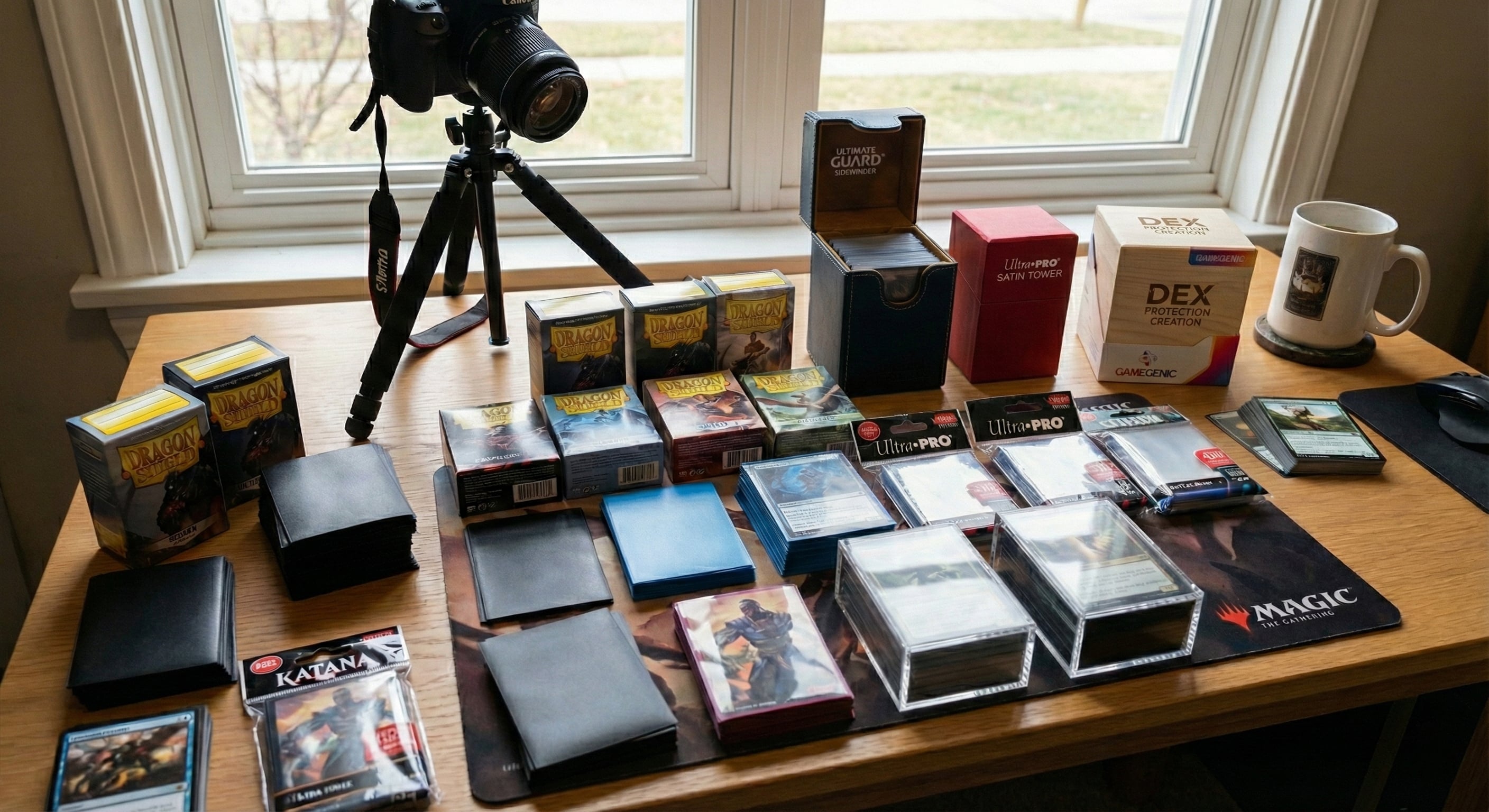
Best MTG Deck Boxes for Commander and Double-Sleeved Decks
The best MTG deck boxes for Commander: Gamegenic Bastion XL, Ultimate Guard Boulder, Ultra Pro Satin Tower and more, compared on capacity, build and price.

MTG Gifts: What to Buy a Magic Player (2026)
A gift guide for people who don't play Magic. What Magic players actually want at every budget, what to avoid, and how to buy without knowing their deck.

MTG Star Trek: Release Date, Products and What to Preorder
MTG Star Trek releases 13 November 2026. Every product, its MSRP, what it costs to preorder on TCGplayer today, and which ones are worth buying early.