
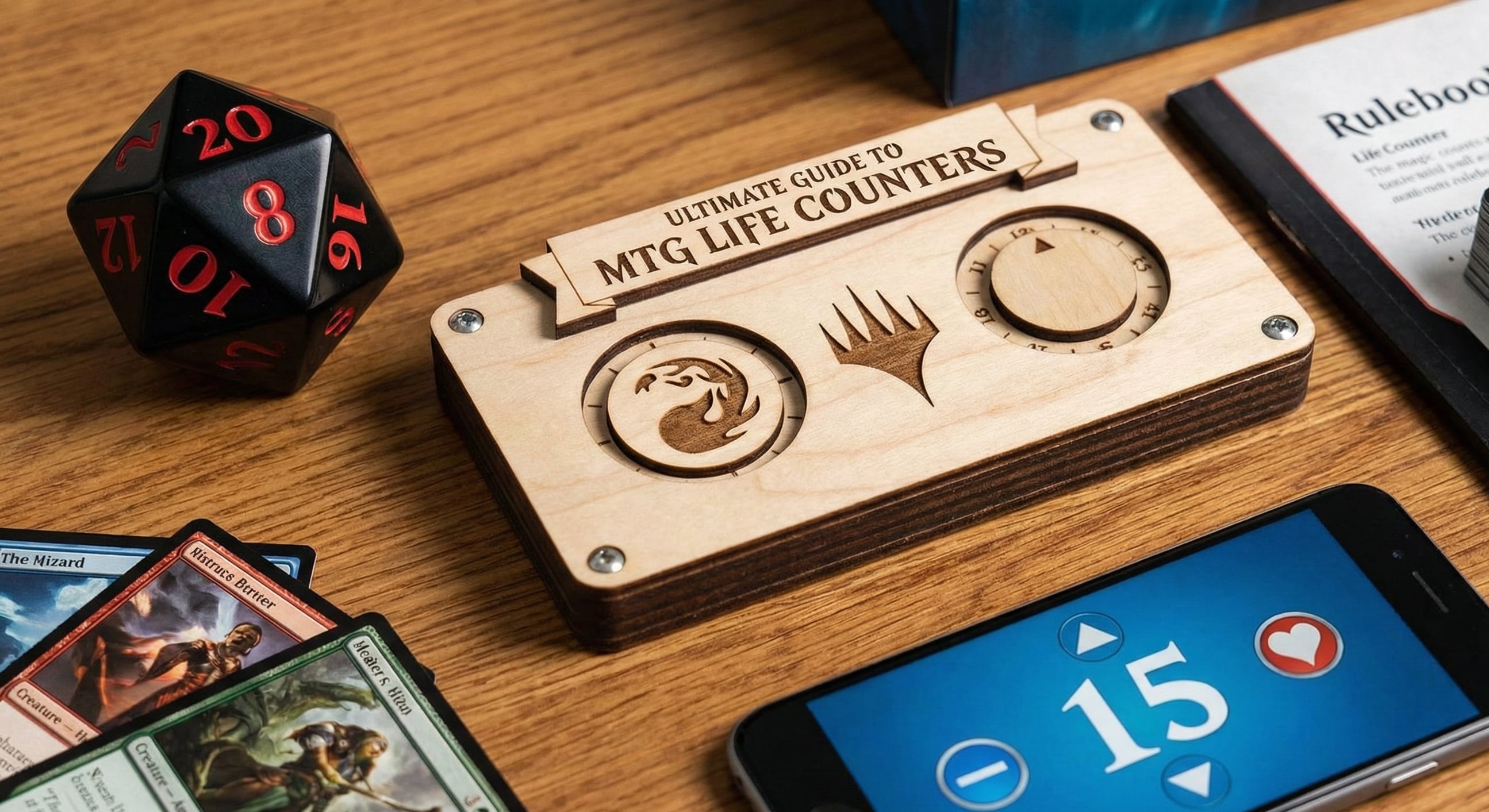

Quick Verdict
Life tracking in Magic requires different solutions for different formats—from spindown dice for casual play to dedicated apps for Commander and pen-and-paper for competitive tournaments.
TOP RECOMMENDATIONS

LifeTap App
Best overall app for Commander with intuitive commander damage tracking
- ✓Tracks up to 6 players simultaneously
- ✓Dedicated commander damage interface
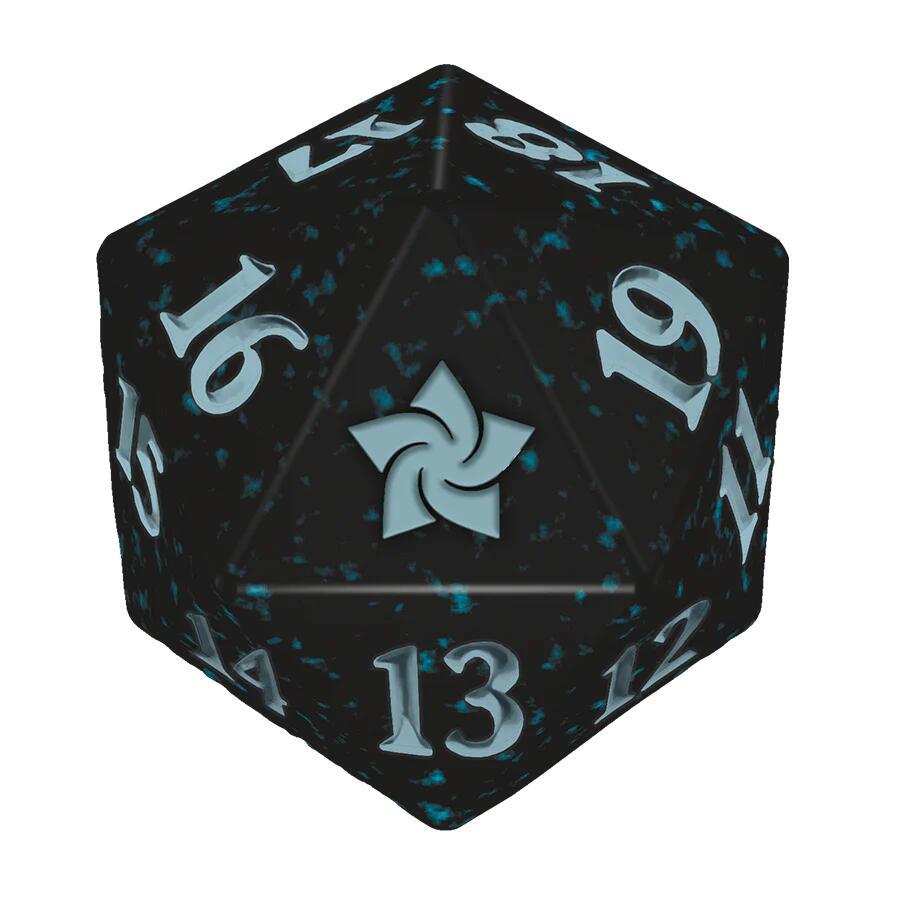
MTG Bundle Spindown Die
Classic physical counter perfect for casual 1v1 games
- ✓Tactile and satisfying to use
- ✓No battery or technology required
An MTG life counter is anything you use to track life totals: a spindown d20, a life counter app on your phone, a dial counter, or pen and paper. For 1v1 at 20 life, a spindown is enough. For Commander at 40 life with commander damage and poison, a magic life counter app does the bookkeeping for you. For tournaments, paper wins. Here's how each one holds up.
In Magic: The Gathering, your life total isn't just a number—it's the primary resource standing between you and defeat. From the moment you sit down at 20 life in Standard or 40 life in Commander, every point matters. A single miscalculated life total can mean the difference between blocking with confidence or walking into lethal damage.
The question isn't whether you need a Magic: The Gathering life counter, but which type best serves your playstyle, format, and environment. Whether you're shuffling up for a casual Commander pod at your kitchen table, grinding Friday Night Magic at your local game store, or competing at a Regional Championship Qualifier, the method you choose to track life affects game flow, dispute resolution, and even tournament outcomes.
This comprehensive guide explores every option available to MTG players—from the classic spindown die that comes in your Bundle to sophisticated mobile apps that track commander damage for six players simultaneously, and even the rising trend of LCD writing tablets dominating the competitive scene.
Let's begin by understanding why accurate life tracking matters more than many players realize.
Why Life Tracking Matters (More Than Just Numbers)
In Magic: The Gathering's rich strategic landscape, life functions as both shield and resource. Unlike games where health simply measures how close you are to losing, MTG transforms life into a tradeable commodity. You pay life for Phyrexian mana, shock lands enter untapped at the cost of 2 life, and strategies like Death's Shadow actively weaponize low life totals.
Life as a Resource
Professional players often say "the only life point that matters is the last one." This philosophy drives aggressive strategies that leverage life payments for tempo advantages, but it requires precise tracking to execute safely.
Accuracy prevents game losses: Miscounting your life total can lead to blocking decisions that leave you dead, or worse—in competitive play, pattern-of-play errors stemming from incorrect life totals can result in game losses from judges.
Dispute resolution depends on reliable methods: When players disagree on life totals (a surprisingly common occurrence), judges rely on the audit trail. A player with detailed notes showing "-3 Lightning Bolt, -2 Shock, -1 fetch land" will win disputes against opponents using dice that were knocked over.
The tracking method you choose directly impacts your ability to resolve these disputes in your favor.
Format complexity demands appropriate tools: A Standard 1v1 match might function perfectly with a simple spindown die, but a four-player Commander game tracking 40 starting life, commander damage from three opponents, and poison counters requires significantly more sophisticated solutions.
Physical MTG Life Counters: Dice, Dials and Paper
Before smartphones dominated our pockets, physical life counters were the only option. Today, they remain popular for their tactile satisfaction, independence from battery life, and nostalgic appeal. From the iconic spindown die to mechanical abacus counters, physical trackers offer reliability that doesn't crash, dim, or require updates.
Review: MTG Bundle Spindown Die
The spindown life counter represents MTG's most recognizable tracking tool. Found in Bundle products and Pre-release kits since the early 2000s, these twenty-sided dice feature sequential number arrangement—20 sits next to 19, which sits next to 18, and so on around the die.
What Makes MTG Bundle Spindown Die Special:
These dice are more than just tracking tools—they're collectible pieces of Magic history. Each set release features unique designs, color schemes, and set symbols that make them highly sought after by collectors. The tactile satisfaction of physically adjusting your life total with a satisfying click is unmatched by digital alternatives.
Best Use Cases:
- Casual 1v1 games: Perfect for Standard, Modern, and Pioneer formats where you start at 20 life
- Collecting: Each set's spindown features unique artwork and colors, making them popular collector items
- Backup tracking: Even if you use an app, having a spindown as backup prevents game delays if technology fails
Limitations:
- Easily knocked over: The biggest drawback is accidental displacement during gameplay
- Not for randomization: Never use a spindown to roll for who goes first—they're not properly balanced
- Limited capacity: Standard spindowns only go up to 20, making them unsuitable for Commander's 40-life format without using multiple dice
Value Proposition:
At $5-10 per die, spindowns offer exceptional value. They're included in Bundle products (which contain other valuable items), making them essentially free bonuses. Individual spindowns purchased separately are still affordable and make great gifts for Magic players.
Our Verdict:
MTG Bundle Spindown Die are the perfect entry-level life counter for casual players. They're tactile, collectible, and require zero technology. However, for Commander games or competitive play, you'll want to supplement with apps or paper tracking.
How spindowns differ from standard d20s: This is crucial for new players to understand. A Dungeons & Dragons d20 has opposing faces adding to 21 (20 opposite 1, 19 opposite 2, etc.) specifically designed for randomization. Spindowns sacrifice random distribution for ease of finding your current life total with a quick glance.
Critical Warning
NEVER use a spindown die to roll for who goes first. Spindowns are not properly randomized and will create biased results. Use a standard d20, flip a coin, or use your app's random player selection instead.
MTG Bundle Spindown Die
Set-themed spindown dice featuring artwork and symbols from each MTG release
Best For: Casual 1v1 games and collecting
Size: Standard 22mm or oversized variants
Format: Standard, Modern, Pioneer (20 life formats)
Collectibility: Each set features unique designs making them popular collector items
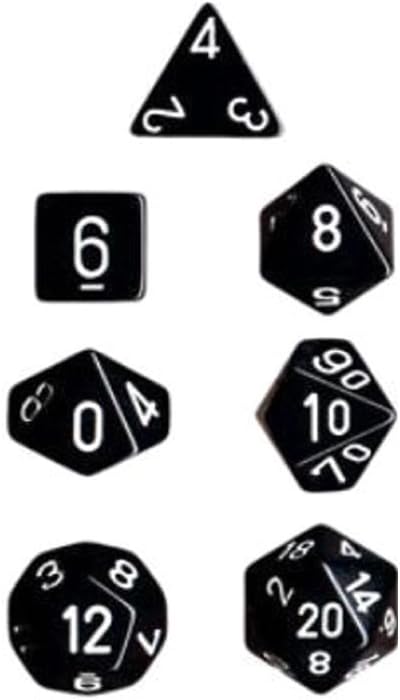
Chessex Polyhedral 7-Die Set
Properly randomized d20 dice for determining first player and random effects
Best For: Dice rolls and randomization
Balance: True random distribution for fair rolls
Use Case: Determining first player, rolling for effects
Warning: Opposing faces add to 21, harder to track life
For players seeking more stability than dice provide, mechanical counters offer an alternative solution.
Abacus and Dial Counters: Old School Reliability
Before apps and even before spindowns became standard in products, players used mechanical life counters. These physical devices feature rotating dials or sliding beads that track life totals up to 99 or even 999.
Ultra Pro Abacus Life Counters represent the most common variant, featuring two rotating wheels (tens and ones digits) with MTG artwork. These counters sit flat on the table and resist accidental changes better than dice, though they're slower to adjust during fast-paced games.
Dial-style counters use a rotating mechanism similar to old parking meters. Players twist the dial to increment or decrement life totals. Popular in the early 2000s, these have largely been replaced by digital solutions but remain favored by players who enjoy mechanical devices.
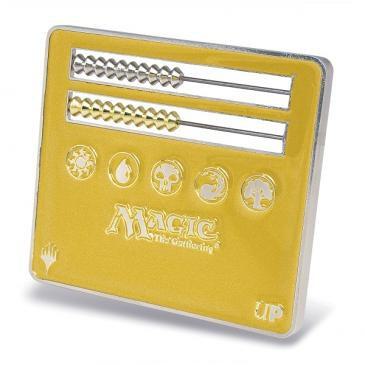
Ultra Pro Gold Abacus Life Counter
Mechanical two-dial life counter featuring Magic artwork
Stability: Won't accidentally change if bumped
Speed: Slower than dice for rapid life changes
Capacity: Tracks from 0-99 life
Nostalgia Factor: Popular among players from the 2000s era
Pen and Paper: The Competitive Standard
Walk into any high-level Magic tournament and you'll see the same thing: players hunched over notepads, meticulously recording every life change. This isn't tradition for tradition's sake—it's the most legally defensible method of life tracking in competitive play.
Why professionals use pen and paper:
Dispute Resolution
Written records create an audit trail showing exactly when and how life changed, giving you evidence in disputes.
Tournament Rules
The Magic Tournament Rules specifically mention that electronic devices can be used for note-taking, but pen and paper is preferred.
No Technology Failures
Paper doesn't run out of battery, crash during key moments, or suffer from screen dimming issues.
The Competitive Format
Most competitive players use a simple format: write starting life totals at the top, then record each change as it occurs (-3, -2, -1, +4). This creates a chronological record that judges can review if disputes arise about when specific life changes occurred.
The newest evolution in paper tracking combines the reliability of written records with modern technology.
Review: Boogie Board LCD Writing Tablet
In the past 2-3 years, LCD writing tablets—commonly called "Boogie Boards" after the popular brand—have revolutionized competitive life tracking. These reusable electronic surfaces let you write with a stylus, creating a paper-like experience that erases with the push of a button.
What Makes Boogie Board Special:
The Boogie Board combines the reliability of pen and paper with modern convenience. Unlike apps that drain battery or paper that creates waste, Boogie Boards use e-ink technology that requires no power to display—only the erase button uses a tiny watch battery that lasts months. This makes them perfect for long tournament days where battery life matters.
Best Use Cases:
- Competitive tournaments: The gold standard for Competitive REL events where audit trails matter
- Long gaming sessions: No battery anxiety during multi-day tournaments
- Eco-conscious players: Eliminates hundreds of sheets of paper waste
- Complex board states: Track life, storm count, tokens, and other game elements simultaneously
Key Features:
- Screen sizes: Available in 8.5" to 10" variants, giving you plenty of space for detailed tracking
- Battery life: Months on a single watch battery—you'll replace it maybe once a year
- Professional appearance: Creates clean, readable records without messy handwriting
- Additional uses: Perfect for tracking storm count, tokens, and complex board states beyond just life totals
Limitations:
- Requires separate purchase: Unlike spindowns that come in products, you must buy a Boogie Board separately
- One-time erase: Unlike paper where you can review previous games, erasing clears everything
- Stylus dependency: Lose the stylus and you'll need a replacement (though most pens work)
Value Proposition:
At $15-30, Boogie Boards offer excellent long-term value. They eliminate the recurring cost of notepads and provide a professional appearance that impresses opponents and judges. For competitive players who attend multiple tournaments per year, the investment pays for itself quickly.
Our Verdict:
Boogie Board LCD Writing Tablets are the competitive player's best friend. They provide paper's reliability and audit trail with modern convenience and zero battery anxiety. If you play at Competitive REL events regularly, this is the tool that will give you confidence in dispute resolution.
Why Boogie Boards dominate competitive play:
- Eco-friendly: Eliminates the waste from hundreds of sheets of paper used during tournament weekends
- Always ready: No need to search for a fresh page or new notepad
- Professional appearance: Creates clean, readable life records without messy handwriting degradation
- Battery efficient: The screen requires no power to display; only the erase button uses a tiny watch battery lasting months
- Evidence preservation: Some players photograph their screens between games for record-keeping
According to the Magic Tournament Rules (MTR) Section 2.12, electronic devices are permitted for note-taking purposes, including life tracking. However, devices cannot be used to access outside strategic information, and players must comply with reasonable requests from judges to inspect their tracking methods. At Competitive and Professional Rules Enforcement Levels (REL), pen and paper remains the gold standard because it provides the clearest audit trail for judges resolving disputes.
Some tournament organizers have specific policies about phone usage during matches. Always check with your head judge if you're uncertain whether your electronic life counter is acceptable at a particular event.
Magic Life Counter Apps: The Commander Era
The rise of Commander as Magic's most popular format created demand for tracking solutions beyond what physical counters could efficiently handle.
Commander's complexity—40 starting life, tracking commander damage from multiple opponents, poison counters, and often 3-4 players per game—makes digital solutions not just convenient but practically necessary. Mobile apps have evolved from simple number displays to sophisticated game state managers that handle everything from player randomization to dice rolling.
Top Recommended MTG Life Counter Apps
Hundreds of life counter apps populate the iOS and Google Play stores, but only a handful have earned the MTG community's trust through consistent updates, intuitive design, and reliability during crucial moments. These are the apps that appear at Commander tables worldwide, from casual kitchen table games to competitive Commander tournaments.
Review: LifeTap App
LifeTap has earned its reputation as the best MTG life counter app for multiplayer Commander games through thoughtful design and comprehensive features. The interface presents each player as a distinct panel with their life total prominently displayed, while dedicated commander damage tracking appears as a grid showing damage from each commander to each player.
What Makes LifeTap Special:
LifeTap was designed specifically for Commander format's unique requirements. Unlike generic life counter apps, LifeTap understands that Commander games need to track 40 starting life, commander damage from multiple opponents, poison counters, and often 4-6 players simultaneously. The app handles all of this automatically, eliminating the mental overhead of manual tracking.
Best Use Cases:
- Commander games: The app's primary strength—handles 2-6 player games effortlessly
- Kitchen table play: Perfect for casual Commander pods where convenience matters
- Regular playgroups: Customizable player names and colors make it perfect for your regular group
- Complex game states: Tracks life, commander damage, poison, energy, and experience counters all in one place
Key Features:
- Intuitive commander damage interface: Tap any player's panel to see damage they've received from each opponent's commander—this is the killer feature that makes LifeTap essential
- Support for 2-6 players: Handles everything from 1v1 to large multiplayer pods
- Life history tracking: Review previous life changes to resolve disputes—crucial for maintaining game integrity
- Customizable player colors and names: Personalize the experience for your regular playgroup
- Built-in dice roller: Random player selection and dice rolling for effects—no need for separate apps
- Poison counter tracking: Essential for infect strategies that rely on poison counters
Limitations:
- Battery drain: Long Commander games can drain your phone battery, especially if you forget to disable auto-sleep
- Screen dimming: Auto-sleep features can make life totals disappear at crucial moments—remember to adjust your phone settings
- Technology dependency: Apps crash, phones freeze, and updates occasionally introduce bugs
- Tournament policy: Some event organizers restrict phone usage, even for life tracking
Value Proposition:
LifeTap is completely free with no intrusive ads—this is remarkable for an app of this quality. The developers clearly built it for the community, not for profit. There are no premium features locked behind paywalls, making it accessible to all players.
Our Verdict:
LifeTap is the Commander player's essential tool. If you play Commander regularly, this app will transform your gameplay experience. The automatic commander damage tracking alone saves mental energy and prevents errors. Just remember to bring a backup (spindown or paper) in case technology fails.

LifeTap Life Counter App
The most popular life tracking app for Commander format
Platforms: iOS and Android
Commander Damage: Dedicated tracking interface
Player Count: 2-6 players simultaneously
Additional Trackers: Poison, energy, experience counters
For players who prefer a minimalist aesthetic, Carbon offers a sleek alternative.
Carbon: Beauty Meets Functionality
Carbon (and its successor Carbon 2.0) prioritizes clean design without sacrificing functionality. The app features smooth animations, gesture-based controls, and a dark interface that's easy on the eyes during long game sessions.
What makes Carbon special is its attention to user experience. Swiping up or down on a player's life total adjusts it smoothly, while tap-and-hold enables rapid life changes. The minimalist interface removes clutter, focusing entirely on the numbers that matter.
Carbon's strengths:
- Gorgeous interface: Winner of design awards for mobile app aesthetics
- Gesture-based controls: Intuitive swipe and tap interactions
- Customizable themes: Light, dark, and color variants
- Commander damage support: Hidden until needed to reduce visual clutter
- Apple Watch support: Control life totals from your wrist
Magic: The Gathering Companion: The Official Solution
Wizards of the Coast's Magic: The Gathering Companion app serves dual purposes: tournament event management and life tracking. While its primary function is finding and joining official events, the built-in life counter is surprisingly robust.
Benefits of the official app:
- Tournament integration: Seamlessly tracks pairings, standings, and your match history
- Universal compatibility: Works across all formats from Standard to Commander
- Rules reference: Quick access to comprehensive rules and card database
- Direct Wizards support: Regular updates aligned with set releases
The downside is that Companion's life counter is less feature-rich than dedicated apps like LifeTap, particularly for Commander damage tracking. It excels as an all-in-one solution for players who want event management and basic life tracking in a single app.
| Feature | LifeTap | Carbon 2.0 | MTG Companion |
|---|---|---|---|
| Commander Damage | Dedicated interface | Supported | Manual tracking |
| Player Count | 2-6 players | 2-4 players | 2 players standard |
| Poison Counters | Built-in | Built-in | Manual |
| Interface Style | Functional | Minimalist | Tournament-focused |
| Tournament Features | None | None | Full integration |
| Price | Free | Free + Premium | Free |
Pros and Cons of Digital Life Tracking
Evaluating Digital Solutions
Digital life counters offer undeniable advantages for casual and Commander play, but they come with tradeoffs that competitive players must consider carefully.
Advantages of apps:
- Multiplayer complexity made simple: Automatically tracking commander damage for four players would require complex paper grids; apps handle it effortlessly
- Additional game state tracking: Poison counters, energy reserves, experience counters, and other formats' mechanics integrate seamlessly
- History and undo functions: Accidentally tap the wrong number? Undo buttons save games from simple mistakes
- Player randomization: Built-in tools for determining who goes first or selecting a random player
- Space efficiency: One phone replaces dice, paper, and reference materials
Disadvantages and concerns:
- Battery life anxiety: Long Commander games drain batteries, and a dead phone mid-game forces scrambling for alternatives
- Screen dimming during turns: Auto-sleep features can make life totals disappear at crucial moments
- Dispute resolution challenges: Judges heavily favor written records over digital displays in competitive settings
- Technology failures: Apps crash, phones freeze, and updates occasionally introduce bugs
- Tournament policy variations: Some event organizers restrict phone usage, even for life tracking
The format you play determines whether digital or physical tracking serves you best.
Format-Specific Life Tracking Considerations
Magic: The Gathering's diverse format landscape means no single life tracking solution fits all situations. Commander's 40 life and commander damage requirements demand different tools than Modern's fast-paced 20-life games, while competitive Standard requires audit trails that casual formats don't.
Standard, Modern, and Pioneer: The 20-Life Formats
These formats represent Magic's most straightforward life tracking scenario: two players starting at 20 life in a 1v1 match. The simplicity allows for any tracking method, though competitive players gravitate toward written records for the previously mentioned dispute resolution advantages.
Recommended tracking for 20-life formats:
- Casual play: Spindown dice work perfectly. The tactile feedback and quick adjustments suit the relatively simple life changes
- Friday Night Magic: Apps or dice are acceptable. Choose based on personal preference
- Competitive events: Pen and paper or LCD writing tablets. The audit trail matters at this level
- Fast formats (Legacy, Vintage): Paper is fastest for the rapid life changes from fetch lands, shocklands, and Phyrexian mana
Commander transforms life tracking from simple subtraction into complex multi-dimensional accounting.
Tracking Commander Damage: The EDH Challenge
Commander's signature rule—21 combat damage from a single commander causes a loss regardless of life total—creates tracking complexity that makes apps nearly mandatory for serious play.
The commander damage problem: In a four-player game, you must track:
- Each player's life total (starting at 40)
- Damage from Player 1's commander to Players 2, 3, and 4
- Damage from Player 2's commander to Players 1, 3, and 4
- Damage from Player 3's commander to Players 1, 2, and 4
- Damage from Player 4's commander to Players 1, 2, and 3
That's 4 life totals plus 12 separate commander damage values—16 numbers to track simultaneously. This is why LifeTap and similar apps dominate Commander play.
Commander Damage Rules Reminder
Commander damage is cumulative throughout the game and doesn't reset if a commander changes zones. If Atraxa deals 10 damage, then 11 more damage later, that's 21 total commander damage even if Atraxa was returned to the command zone between attacks. Additionally, commander damage only counts combat damage—damage from abilities or non-combat sources doesn't count toward the 21 threshold.
Paper tracking for Commander: If you prefer written records, use a grid system:
         | Player A | Player B | Player C | Player D
---------|----------|----------|----------|----------
Life     |    40    |    40    |    40    |    40
Cmd A    |    --    |    0     |    0     |    0
Cmd B    |    0     |    --    |    0     |    0
Cmd C    |    0     |    0     |    --    |    0
Cmd D    |    0     |    0     |    0     |    --
Update the grid as commanders deal damage. This method works but requires more attention than apps provide automatically.
Poison, Energy, and Experience Counters
Modern Magic includes alternative win conditions and resource systems beyond life totals. Tracking these effectively requires planning ahead.
Poison counters (10 causes a loss): Most apps include poison tracking alongside life totals. For physical tracking, use a separate die or designate a section of your paper. Remember that poison counters are per player—you track how many poison counters each opponent has given you.
Energy reserves: The energy mechanic creates a reserve of energy counters you can spend for various effects. This resource persists across turns and needs tracking separate from life. Apps typically include energy tracking; physical players often use a small six-sided die.
Experience counters: Commander-specific mechanics like experience counters persist throughout the game and typically only increase. These require less frequent updates than life totals, making them suitable for paper tracking even if you use an app for life.
Poison Tracking
10 poison counters cause a loss. Track separately per opponent who's giving you poison. Infect and toxic are the primary sources.
Energy Reserves
Energy counters create a resource pool for cards like Aetherworks Marvel. You spend and gain energy throughout the game.
Experience Counters
Commander-specific counters that accumulate throughout the game. Typically track once per turn cycle rather than constantly.
Choosing Your Perfect Life Counter Solution
With this comprehensive understanding of life tracking options, the decision comes down to your specific needs.
Your ideal Magic: The Gathering life counter depends on three primary factors: the format you play most frequently, the competitive level of your games, and your personal preferences for technology versus physical objects. Here's how to decide based on your primary play pattern.
For Commander Players
If you primarily play multiplayer Commander, dedicated life counter apps like LifeTap provide the best experience. The automatic commander damage tracking, poison counter integration, and support for 4+ players make them indispensable tools. Keep a portable battery pack or power bank in your game bag to eliminate battery anxiety during long sessions.
Backup solution: Always bring a spindown die or notepad as backup. Technology fails at the worst moments, and having a physical alternative prevents game delays.
For Competitive Players
If you play at Competitive REL events (RCQs, Grand Prix, etc.), invest in a quality LCD writing tablet. These devices provide paper's reliability and audit trail while eliminating waste and the need to constantly purchase notepads. Pair it with a smartphone backup running the Magic Companion app for redundancy.
Tournament etiquette: Always inform your opponent how you're tracking life and, at Competitive REL, be prepared to show your life tracking method to judges if requested.
Judge Interactions
When a judge asks about a life total dispute, having a clear written record showing each life change with timestamps or turn numbers will almost always result in rulings in your favor. "My phone app says X" is far weaker evidence than "my paper shows -3 Lightning Bolt on Turn 2, -2 shock land on Turn 3..."
For Casual Kitchen Table Play
If you play casually with friends and primarily stick to 1v1 games, spindown dice provide the perfect blend of simplicity, tactile satisfaction, and zero technology dependence. They're also collectible—each set features unique designs that appeal to collectors.
Collection consideration: Bundle products include oversized spindowns with set symbols and color schemes matching that release. Building a collection of these dice creates a fun sub-hobby within your Magic passion.
For New Players
If you're just starting your Magic journey, begin with whatever came in your starter product (usually a spindown die) and experiment with a free app like LifeTap or Magic Companion. As you discover which formats you prefer, you can invest in more specialized tracking tools.
Don't overlook the learning value of pen and paper tracking—writing down each life change forces you to pay attention to the game state and builds good habits for understanding when and how life totals change.
Advanced Life Tracking Scenarios
Experienced players encounter edge cases that challenge standard life tracking methods.
Representing Infinite Life
When combo decks achieve truly infinite life (typically through loops involving cards like Exquisite Blood and Sanguine Bond), you need to represent this game state clearly. Most players simply write a very large number like 1,000,000 or draw an infinity symbol (∞) on their life tracker.
Tournament note: In competitive play, you must choose a specific number even for "infinite" combos. Judges require definite numbers for ruling purposes, even if that number is arbitrarily large.
Tracking Life Changes in Fast Formats
Legacy and Vintage players experience rapid life total fluctuation from fetch lands (-1 life), shock lands (-2 life), Ancient Tomb (-2 life), and various Phyrexian mana spells. This creates challenges for slower tracking methods like dial counters.
Recommended approach: Paper tracking shines here. Simply write running totals:
20 (start)
-1 (fetch)
19
-2 (shock)
17
-2 (Ancient Tomb)
15
This creates both a current total and historical record of when changes occurred.
The Life Payment Cadence
Some strategies require paying life so frequently that tracking becomes a mini-game itself. Death's Shadow decks intentionally lower life totals, while Ad Nauseam strategies involve revealing cards until you choose to stop, with each revealed card potentially costing life.
For these situations, consider:
- Pre-announcing life payments: "I'm going to fetch and shock, taking me from 20 to 17"
- Batch updates: Rather than adjusting after each individual payment, calculate total life loss and adjust once
- Opponent confirmation: Always confirm your life total with opponents before passing turn priority
Conclusion: Finding Your Life Tracking Balance
After exploring every option from vintage abacus counters to cutting-edge mobile apps, the best Magic: The Gathering life counter is the one that fits your playstyle, format, and environment. Whether you choose the tactile satisfaction of a spindown die, the comprehensive tracking of a dedicated app, or the reliability of pen and paper, the key is consistency and clear communication with your opponents.
Remember: the goal isn't to have the most advanced tool—it's to track life accurately and maintain game flow. Choose a method you're comfortable with, always have a backup, and never let your life tracking method become a distraction from the game itself.
Related Guides
- MTG Dice: Spindowns and Counters — spindowns, d20s and keyword counter dice in full
- The Ultimate Guide to MTG Counters — the counters on the board, not on your life total
- Best MTG Deck Boxes — boxes with space for a life counter
- MTG Gifts: What to Buy a Magic Player — life counters as a gift for a Commander player
Frequently Asked Questions
🔗 Related Resources
More Reviews:
Related Articles

MTG Star Trek: Release Date, Products and What to Preorder
MTG Star Trek releases 13 November 2026. Every product, its MSRP, what it costs to preorder on TCGplayer today, and which ones are worth buying early.

MTG Dual Lands, Fetch Lands and Shock Lands Explained (2026)
MTG dual lands, fetch lands and shock lands explained: what each cycle does, why fetches find duals and shocks, 2026 prices, and the budget land cycles.

MTG Final Fantasy Products: Chocobo Bundle, Boxes, Precons
Every MTG Final Fantasy product: the Chocobo Bundle, play and collector booster boxes, the four Commander decks and Secret Lairs, with September 2026 prices.