
Quick Verdict
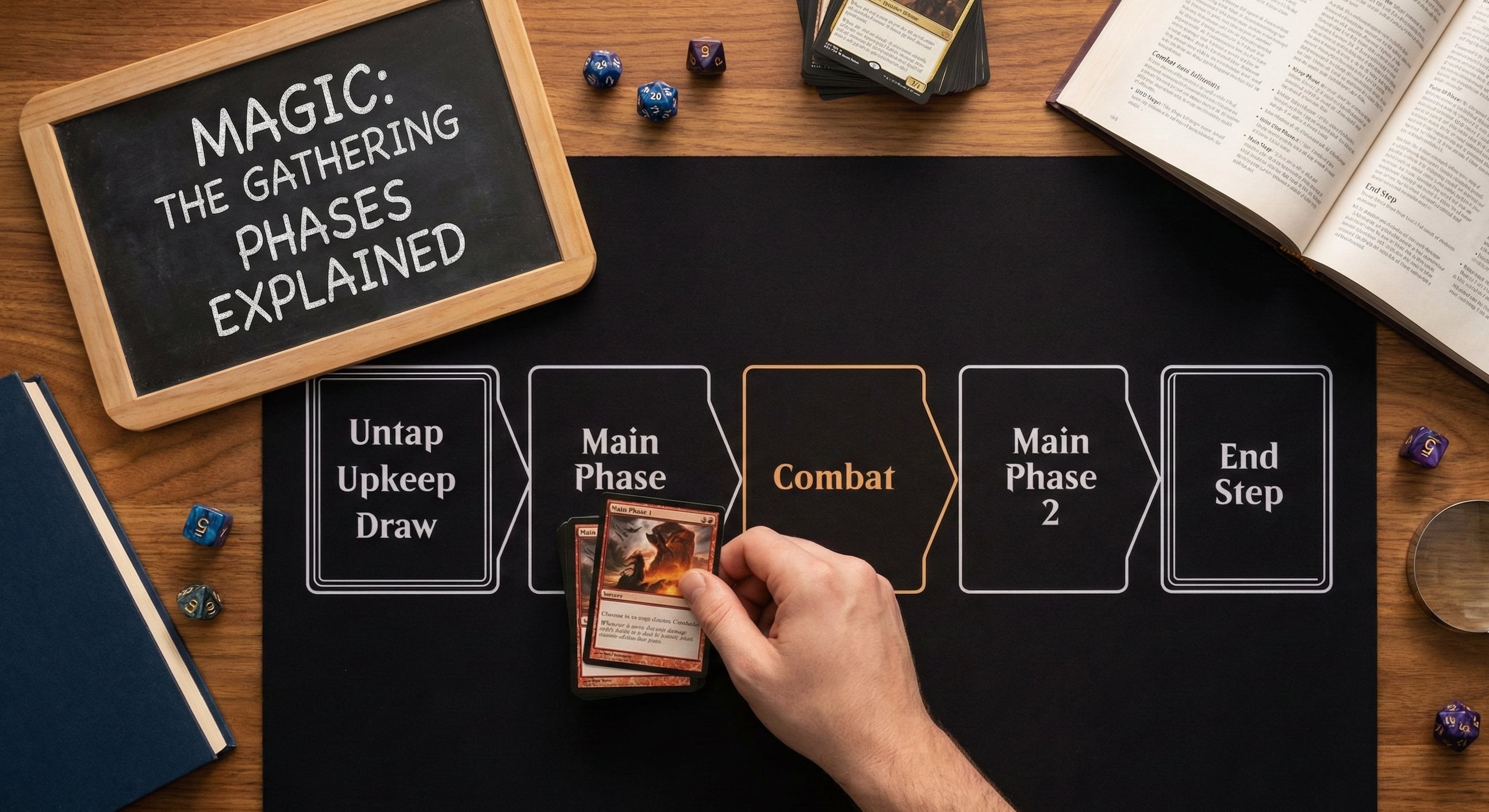
A Magic turn has five phases: beginning, precombat main, combat, postcombat main and ending. The beginning, combat and ending phases are split into steps. Players get priority in every step except the untap step and, usually, the cleanup step. Knowing where those windows are tells you when you can cast instants, when combat damage happens, and when effects end.
TOP CARDS
Every turn of Magic: The Gathering runs through the same phases and steps. They decide when you can act, when your opponent can respond, and when the game does things automatically. Knowing them is the difference between casting a spell at the right moment and watching your mana empty before you can use it.
Whether you're settling a question at the kitchen table, playing your first Commander game or getting ready for a tournament, the turn structure is the same. Mistakes here are common: casting removal too early, floating mana into a new step where it disappears, or missing the window to respond.
This guide walks through every phase, every step and every priority window, with Comprehensive Rules (CR) numbers from the rules effective 25 September 2026. It covers what happens in each one and when it's usually best to act.
The key to mastering Magic isn't just knowing the rules—it's understanding the invisible structure of priority that exists within every phase.
The Golden Rule: Understanding Priority and the Stack
Before diving into the specific Magic: The Gathering phases, you must grasp the concept that underlies all of them: priority. Think of phases and steps as containers—empty rooms where the real action takes place. That action is controlled by priority, the permission system that determines who can cast spells and activate abilities at any given moment.
Priority is the right to take an action. In Magic, only one player has priority at any given time, and that player can:
- Cast spells (if the spell's timing restrictions allow)
- Activate abilities
- Take special actions (like playing a land)
The Active Player (AP), the player whose turn it is, receives priority first at the start of each step and phase in which players get priority (CR 117.3a). If they cast a spell or activate an ability, they get priority again afterward (CR 117.3c). When they pass, priority moves to the Non-Active Player (NAP). In multiplayer games like Commander, it keeps moving around the table in turn order.
When all players pass priority in succession, the top spell or ability on the stack resolves. If the stack is empty, the game moves to the next step or phase (CR 117.4).
Priority isn't just a technicality—it's the strategic heartbeat of every interaction in Magic.
The Stack: Where Actions Queue
When you cast a spell or activate an ability, it doesn't resolve immediately (except for mana abilities). Instead, it goes onto the stack, an invisible zone where spells and abilities wait to resolve. The stack operates on a "last in, first out" principle—think of stacking plates, where you take from the top first.
Understanding the stack is crucial because it determines the order in which effects resolve. If your opponent casts a Lightning Bolt targeting your creature, you can respond by casting a Giant Growth. The Giant Growth resolves first (since it was cast second), making your creature large enough to survive the Lightning Bolt.
The Stack and Priority Connection
After you cast a spell or activate an ability, you get priority first (CR 117.3c). After a spell or ability resolves, the active player gets priority (CR 117.3b). Each of these is a "priority window": a chance for each player, in turn order, to respond with instants and abilities.
For the full rules on the stack, see our MTG stack explained guide. For keywords like flash and split second, see our MTG keywords glossary.
Phase 1: The Beginning Phase
The Beginning Phase is where every turn starts, consisting of three distinct steps that prepare the game state for your turn. This phase is home to some of the most crucial triggered abilities in the game and represents your first opportunity each turn to take actions.
The Beginning Phase sets up your turn: untap, upkeep triggers, then your draw.
Untap Step: The Forbidden Window
In the Untap Step, no player receives priority (CR 502.4). That means no one can cast spells or activate abilities here. The only other step without priority is the Cleanup Step, and even there players sometimes get it.
During the Untap Step, these turn-based actions happen in order, automatically:
- Phasing (CR 502.1): the active player's permanents with phasing phase out, and their phased-out permanents phase in.
- Day and night (CR 502.2): if the game has day/night, it may change based on how many spells the previous turn's active player cast.
- Untapping (CR 502.3): the active player untaps their permanents, unless an effect stops some of them from untapping.
Then the step ends.
You Cannot Act During Untap
A common mistake is trying to "kill a creature before it untaps." You can't act in the untap step. If you want to deal with a tapped creature before it untaps, do it on the previous turn, for example in your opponent's End Step. Otherwise, your next chance is the Upkeep step, after it has already untapped.
Exceptions and edge cases:
- Sands of Time makes each player skip their untap step entirely.
- Abilities can trigger during the untap step (for example, something that triggers when a permanent becomes untapped). They wait and go on the stack the next time a player would receive priority, usually in the upkeep (CR 502.4).
- Paradox Haze gives the enchanted player an extra upkeep step. It triggers at the beginning of that player's first upkeep each turn, not in the untap step.
Upkeep Step: The First Priority Window
The Upkeep step is where the game comes alive. After the Untap step ends, the Upkeep step begins, and this is the first time each turn that players receive priority.
The sequence in the Upkeep step:
- Abilities that triggered during the untap step or "at the beginning of your upkeep" go on the stack (CR 503.1a)
- The Active Player receives priority
- Players can cast instants, activate abilities, and respond to triggers
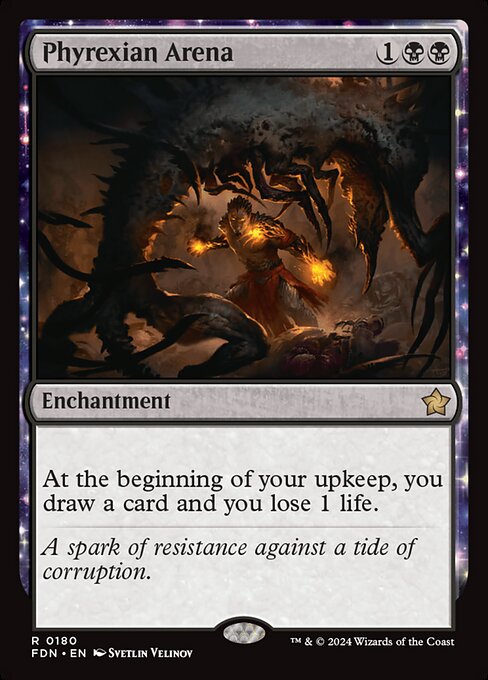
Phyrexian Arena
A classic example of an 'at the beginning of your upkeep' trigger
Trigger: At the beginning of your upkeep, you draw a card and lose 1 life
Timing: Goes on the stack before you get priority in your upkeep
Response Window: Destroying Arena in response doesn't stop a trigger already on the stack
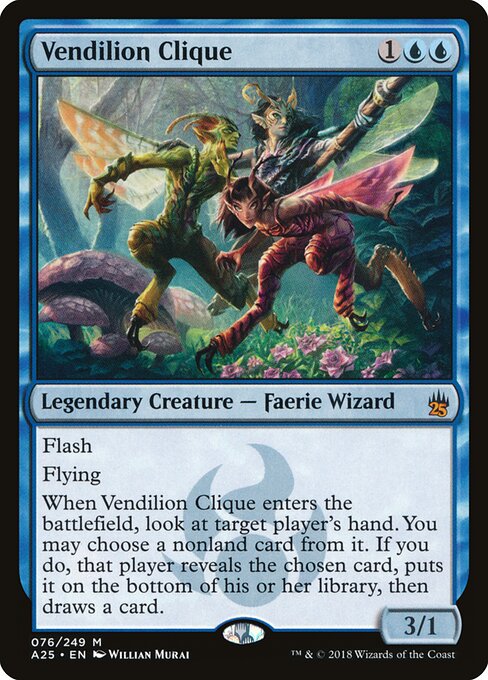
Vendilion Clique
Often cast during opponent's Upkeep or Draw step
Strategic Timing: Cast during Draw step to see their drawn card
Upkeep Option: Cast in upkeep to make them bottom a card (they draw a replacement) before their draw for the turn
Format: Modern, Legacy, Commander staple
Upkeep triggers resolve before you draw for the turn, so check for them every turn.
Strategic Considerations for Upkeep:
- On your opponent's turn, their upkeep is your last chance to act before they draw for the turn
- Removing an upkeep-trigger permanent has to happen before the upkeep begins (for example, on the previous turn); once the trigger is on the stack, destroying the source won't stop it
- In Commander, Upkeep triggers can create complex stack situations with multiple players
Draw Step: The Card Advantage Window
The Draw Step follows Upkeep and has a specific, critical sequence:
- The Active Player draws a card (a turn-based action that doesn't use the stack, CR 504.1)
- Any abilities that trigger from drawing a card go on the stack
- The Active Player receives priority
You Cannot Respond to the Draw Itself
The draw happens as a turn-based action before anyone receives priority. You cannot cast an instant "before they draw." However, once they've drawn, you immediately receive priority (after the Active Player) in the Draw step and can respond before they reach their Main Phase.
Advanced Draw Step Strategy:
Cards like Vendilion Clique are often cast during an opponent's Draw step because you see their hand, including the card they just drew, before they get to a main phase where they could cast it.
For more on building a deck around these choices, see our guide on how to build a Magic: The Gathering deck.
Phase 2: Pre-Combat Main Phase
After the Beginning Phase concludes, the first Main Phase begins—commonly called the Pre-Combat Main Phase or simply "Main Phase 1." This is typically where the bulk of your turn's major decisions occur.
The Main Phase is the only time you can perform sorcery-speed actions, which include:
- Casting sorcery spells (obviously)
- Casting creature spells (unless they have Flash)
- Casting enchantments, artifacts, and planeswalkers
- Playing a land (special action, doesn't use the stack, once per turn)
You can only perform these actions during your own Main Phase, when the stack is empty, and you have priority.
The strategic question isn't whether to use your Main Phase—it's which Main Phase to use.
Playing Lands: The Special Action Exception
Playing a land is a special action in Magic, which means:
- It doesn't use the stack
- It cannot be responded to
- You can only play one land per turn (unless an effect allows additional land plays)
- You can only do this during your Main Phase when the stack is empty
This is why you can't "respond" to someone playing a land—by the time you receive priority again, the land is already on the battlefield.
Saga Timing: A Modern Consideration
If you control Saga enchantments, there's a timing detail to know. As your precombat main phase begins, you put a lore counter on each Saga you control. This is a turn-based action that doesn't use the stack (CR 505.4 and 714.3c). The chapter ability that the new counter triggers then goes on the stack, and you get priority. Your postcombat main phase doesn't add lore counters.
Sagas advance once per turn, at the start of your first main phase, so plan around when each chapter will happen.
Main Phase 1 vs Main Phase 2: The Strategic Divide
Here's the critical strategic question: Should you cast your creatures and sorceries in Main Phase 1 (before combat) or Main Phase 2 (after combat)?
Cast Pre-Combat When...
You need the creature to attack this turn, or when you have haste enablers and want maximum aggression.
Cast Post-Combat When...
You want to keep mana open for combat tricks and interaction, hiding information from opponents.
The Bluffing Advantage
Casting spells post-combat makes opponents think you had responses available during combat, improving future attacks.
Tip: Consider Main Phase 2
A common guideline is to cast creatures in Main Phase 2 unless you have a reason to cast them first. Keeping mana open during combat makes your opponent guess whether you have a trick, which can change how they block.
Phase 3: The Combat Phase (The Complex One)
The Combat Phase is where most games are won or lost, and it's the most intricate of all Magic: The Gathering phases. Unlike the straightforward Main Phases, combat consists of five distinct steps, each with its own priority windows and strategic implications.
Combat is fundamentally a negotiation. Each step represents a moment where both players can respond, adjust their strategy, and attempt to gain advantage. The player who understands these steps can turn seemingly unfavorable combats into victories through precise timing of combat tricks, removal spells, and activated abilities.
Many intermediate players understand the basic flow of combat but make critical errors in timing—casting their Giant Growth too early, using removal at the wrong step, or misunderstanding when creatures can be saved from combat damage. This section covers each step so you can avoid those mistakes.
Combat is won not by having the better creatures, but by understanding the better timing.
Step 1: Beginning of Combat Step
Before any creatures are declared as attackers, the Beginning of Combat step occurs. This step serves one primary purpose: giving players a priority window before attackers are declared.
What happens:
- In some multiplayer games, the active player chooses which opponent is the defending player (CR 507.1)
- Abilities that trigger "at the beginning of combat" go on the stack
- The Active Player receives priority (CR 507.2)
- Players can cast instants and activate abilities
Strategic importance:
This is the last moment to:
- Tap potential attackers (preventing them from attacking)
- Remove creatures before they can attack
- Activate abilities that affect whether creatures can attack
Common Tournament Shortcut
Under the Magic Tournament Rules (section 4.2), if the active player passes priority with an empty stack in their first main phase, the non-active player is assumed to be acting in the Beginning of Combat step, unless they're affecting whether a beginning of combat ability triggers. After that, the active player gets priority in the Beginning of Combat step. So if you tap an attacker when your opponent says "combat?", your spell happens in Beginning of Combat, not in their main phase, and they can't go back and cast sorcery-speed spells.
Example scenario: Your opponent has an untapped creature that will attack you. If you tap it in the Beginning of Combat step, it can't be declared as an attacker, because attackers must be untapped (CR 508.1a). If you wait until the Declare Attackers step, it's already attacking, and tapping it doesn't remove it from combat or stop its damage (CR 506.4b).
Step 2: Declare Attackers Step
This is where attacking creatures are chosen. The Declare Attackers step has a specific sequence:
- The Active Player declares all attacking creatures at once (a turn-based action, CR 508.1)
- Attacking creatures must be untapped, and each needs haste or must have been under your control continuously since the turn began (CR 508.1a)
- If there are planeswalkers or battles to attack, or more than one opponent, the Active Player says what each creature is attacking (CR 508.1b)
- Restrictions and requirements are checked, attackers become tapped (unless they have Vigilance), and any attack costs are paid
- Abilities that trigger on creatures attacking go on the stack
- The Active Player receives priority (CR 508.2)
Once attackers are declared, they cannot be "undeclared"—the attack is locked in even if the creatures are removed.
Strategic timing for this step:
- After attackers are declared is a good time for removal aimed at attackers, because you know which creatures are attacking
- Destroying an attacker here removes it from combat, but the attack has still happened (for example, "whenever this attacks" triggers have already triggered)
- Pumping attackers usually works best here or in the Declare Blockers step
Common mistake: Players sometimes try to cast removal "before attackers are declared" to stop an attack. You can, but only in the Beginning of Combat step. Once the Declare Attackers step begins, attackers are declared before anyone gets priority.
Step 3: Declare Blockers Step
After attackers are declared, defenders get their turn to respond. The Declare Blockers step is often the most strategically dense moment in combat.
Sequence of events:
- The defending player declares all blocking creatures at once (a turn-based action, CR 509.1)
- Blockers must be untapped, and each one normally blocks one attacker (CR 509.1a)
- Multiple blockers can block the same attacker
- Blocking doesn't tap the blocker
- Abilities that trigger on creatures blocking or becoming blocked go on the stack
- The Active Player receives priority (CR 509.2)
There's no step where the attacker puts blockers in order. Older guides describe a "damage assignment order", but the Comprehensive Rules now list it as obsolete. Damage is simply divided among the blockers in the combat damage step (CR 510.1c).
The Golden Window for Combat Tricks
The Declare Blockers step, after blocks are declared but before damage, is the optimal timing for most combat tricks. This is when you should cast that Giant Growth or use creature abilities that pump power and toughness. Acting here ensures:
- You know which creatures are blocked/blocking
- Your opponent has committed their creatures
- Your spell has maximum impact on combat math
Critical ruling: Once an attacker is blocked, it stays blocked even if all the creatures blocking it are removed from combat (CR 509.1h). A blocker that's removed from combat, on the other hand, stops being a blocking creature and deals no combat damage.
The phrase "once blocked, always blocked" is the mantra every combat-focused player must internalize.
Example scenario: You attack with a 3/3 creature. Your opponent blocks with a 2/2. You cast a removal spell killing their blocker. Your 3/3 does NOT deal damage to the opponent. It's still blocked, and with no blockers left it assigns no combat damage (CR 510.1c). If your 3/3 had Trample, it would assign all 3 damage to the defending player, because there are no blockers left to assign lethal damage to (CR 702.19d).
Step 4: Combat Damage Step
The moment of truth—creatures deal their damage. The Combat Damage step has specific and important timing:
- Players assign combat damage (CR 510.1). The active player announces how each attacker assigns its damage, then the defending player does the same for each blocker.
- Each creature assigns damage equal to its power (CR 510.1a)
- A blocked creature with one blocker assigns all its damage to that blocker. With two or more blockers, its controller divides the damage among them however they choose (CR 510.1c). There's no required order and no need to assign lethal damage to one before the next.
- A creature with trample is the exception: it must assign lethal damage to all its blockers before any excess can go to the player, planeswalker or battle it's attacking (CR 702.19b)
- All assigned combat damage is dealt at the same time (CR 510.2). No one can cast spells or activate abilities between assignment and damage.
- State-based actions are checked before anyone gets priority (CR 117.5). Creatures with lethal damage or deathtouch damage die now.
- Abilities that triggered on damage or on those deaths go on the stack (CR 510.3a)
- The Active Player receives priority (CR 510.3)
If any attacking or blocking creature has First Strike or Double Strike as the Combat Damage step begins, there are TWO combat damage steps (CR 510.4):
First Combat Damage Step:
- Only creatures with First Strike or Double Strike deal damage
- State-based actions are checked, then players receive priority
- A creature that died to first-strike damage isn't around to deal damage in the next step
Second Combat Damage Step:
- The remaining creatures that had neither First Strike nor Double Strike deal damage
- Creatures with Double Strike deal damage AGAIN
- State-based actions are checked, then players receive priority
This adds a priority window between the two damage steps. A creature with First Strike that kills its blocker in the first step takes no damage back from it.
Historical note: Before the Magic 2010 rules update in July 2009, combat damage used the stack. Players could put damage on the stack, then sacrifice or move their creatures while the damage still resolved. That rule is gone. Combat damage is now a turn-based action that doesn't use the stack (CR 510.2).
No Window Between Damage and Death
You CAN'T act after combat damage is dealt but before creatures with lethal damage die. State-based actions are checked before anyone gets priority (CR 117.5), so by the time you can cast a spell, those creatures are already in the graveyard. If you want to save a creature or sacrifice it for value, do it before damage, in the Declare Blockers step. In the Combat Damage step you can only respond to triggers, such as "dies" or "deals combat damage" abilities.
Step 5: End of Combat Step
The final step of combat is often overlooked, but it has strategic importance:
- Abilities that trigger "at end of combat" go on the stack (CR 511.2)
- The Active Player receives priority (CR 511.1)
- After all players pass with an empty stack, the step ends. All creatures are removed from combat, and the combat phase is over (CR 511.3)
Why this step matters:
- "At end of combat" triggers happen here, after combat damage
- Effects that last "until end of combat" expire at the end of the combat phase, when this step ends (CR 511.2)
- This is your last chance to cast spells while creatures are still "attacking" or "blocking"
The End of Combat step is where forgotten triggers happen—always double-check for "end of combat" effects.
Example card that uses End of Combat:
- Reconnaissance: "{0}: Remove target attacking creature you control from combat and untap it." If you activate it during End of Combat, your creature has already dealt its combat damage, and it untaps so it can block on your opponent's turn.
| Combat Step | Primary Action | Best Time For... | Can Cast Spells? |
|---|---|---|---|
| Beginning of Combat | Prepare for combat | Tapping attackers, pre-combat removal | Yes (instants) |
| Declare Attackers | Choose attacking creatures | Removing declared attackers | Yes (after declaration) |
| Declare Blockers | Choose blocking creatures | Combat tricks, pump spells | Yes (after declaration) |
| Combat Damage | Damage is dealt | Responding to damage and death triggers | Yes (after damage and state-based actions) |
| End of Combat | Clean up combat | End of combat triggers | Yes |
Phase 4: Post-Combat Main Phase
After combat concludes, players enter the Second Main Phase, officially called the Post-Combat Main Phase. This phase is functionally identical to the Pre-Combat Main Phase—you can cast sorceries, creatures, planeswalkers, and play your land for the turn (if you haven't already).
The Second Main Phase is where patient players reap the rewards of their combat phase decisions.
Why Main Phase 2 Matters Strategically
As mentioned earlier, casting your non-haste creatures in Main Phase 2 provides several advantages:
Information advantage: You've already seen what happened in combat—which tricks your opponent played, what they blocked with, and how they valued their life total.
Bluffing leverage: By keeping mana open through combat, you represented potential instant-speed interaction. Even if you had nothing, your opponent might have played around removal or tricks. After combat, you can safely spend that mana on sorcery-speed spells.
Resource efficiency: If combat went better than expected, you might not need to cast as many creatures or spells as you thought. Holding them in Main Phase 2 gives you maximum flexibility.
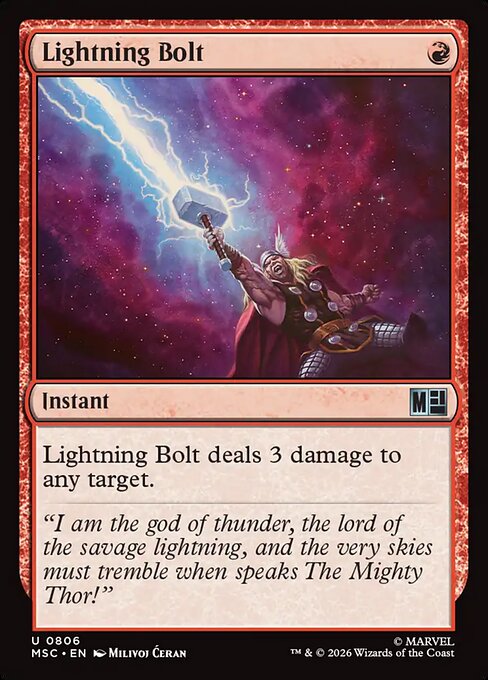
Lightning Bolt
Should you cast removal pre or post-combat?
Pre-Combat: Use if you need to clear blockers
Post-Combat: Use if removing attackers that got through
Wrong Time: Wasting it in Main Phase 1 when combat might not happen
Magic: The Gathering Foundations Beginner Box
Learn turn structure through guided play
Includes: Reference booklet and playmats
Practice Tool: Two hands-on guided deck experiences, plus bonus decks
Ideal For: New and returning players
When You Need Main Phase 1
If your creature has haste and you want it to attack this turn, you must cast it in the Pre-Combat Main Phase. The same goes for anything that changes combat, like a creature that pumps your attackers or a sorcery that removes a blocker. Otherwise, Main Phase 2 is often the better choice.
Phase 5: The Ending Phase
The turn's conclusion happens in the Ending Phase, which consists of two steps that handle cleanup and end-of-turn effects. Despite being at the end of the turn, this phase has several critical strategic windows and rules interactions that catch players off guard.
The Ending Phase is where "until end of turn" effects expire and where the turn's final opportunities for interaction occur.
End Step: The Final Action Window
The End Step (sometimes called the "End of Turn Step") is the first step of the Ending Phase and serves as the final normal priority window of the turn.
What happens:
- Abilities that trigger "at the beginning of the end step" or "at the beginning of your end step" go on the stack
- The Active Player receives priority
- Players can cast instants and activate abilities as normal
This step is crucial for several reasons:
"End of turn" instants: Many players cast instants during the opponent's End Step. They kept mana open all turn to react, and if they didn't need to, they spend it here before it would go to waste. Their lands untap in their own untap step anyway.
Delayed triggers: Many effects trigger "at the beginning of the next end step." For example, a creature returned with unearth is exiled at the beginning of the next end step (CR 702.84a). If such a trigger is created during the end step itself, it waits until the next turn's end step (CR 513.2).
Last chance for interaction: If you want to act before the turn ends, this is typically your last opportunity with a normal priority window.
Casting instant-speed card draw at the end of your opponent's turn is one of the most common timing habits in Magic.
End Step vs 'End of Turn'
When a card says "until end of turn," the effect actually lasts until the Cleanup Step (the next step after End Step), NOT just until the End Step begins (CR 514.2). A creature pumped "until end of turn" is still pumped during the End Step.
Strategic examples:
- Flash creatures: Cast at the end of the opponent's turn, a flash creature can attack on your turn before your opponent gets a chance to answer it with sorcery-speed removal
- Card draw instants: Casting draw spells on the opponent's End Step uses mana you held up for interaction, and gives you the cards before your turn starts
- "Until end of turn" effects: They still apply during the End Step, so a pumped creature keeps its bonus until Cleanup
Cleanup Step: The Automatic Reset
The Cleanup Step is the most unusual step in Magic: The Gathering phases because players do not receive priority under normal circumstances. This step happens automatically:
What happens (in order):
- The Active Player discards down to their maximum hand size (usually 7 cards, CR 514.1)
- At the same time, all damage marked on permanents is removed and all "until end of turn" and "this turn" effects end (CR 514.2)
If state-based actions need to be performed or any abilities triggered during these actions, they're dealt with, and the Active Player gets priority. Once the stack is empty and all players pass, another Cleanup Step begins (CR 514.3a). The classic example is madness: if you discard a card with madness to hand size, it's exiled and its trigger lets you cast it, so players get priority during Cleanup.
Note: If the Active Player has no more cards than their maximum hand size, they don't discard, so nothing triggers from discarding.
The Cleanup Step is where the game resets for the next turn—understanding it prevents confusion about when effects end.
Product Review: Learning Tool for MTG Phases
Learning the phases is easier with practice. Here's a closer look at the product recommended above.
Review: Magic: The Gathering Foundations Beginner Box
Best For: New players learning the game, and anyone teaching a friend
Wizards of the Coast describes the Foundations Beginner Box as "the essentials for your first games of Magic: The Gathering, including two different hands-on guided deck experiences, reference booklet, playmats, and bonus decks for easy jump-in play with a friend."
What Makes It Useful:
The guided decks walk you through your first games, so you learn the turn structure by playing it rather than reading about it. The reference booklet is there when a timing question comes up, and the bonus decks give you something to play once you've finished the guided games.
Key Features:
- Two guided deck experiences: Learn by playing, one turn at a time
- Reference booklet: For rules questions during play
- Playmats: A place for each zone of the game
- Bonus decks: Jump-in games with a friend after the guided play
Limitations:
- Basic card interactions: Built to teach the fundamentals, not complex interactions
- Not for competitive play: These are learning decks, not tournament-ready
- Less useful for experienced players: If you already know the phases, it offers less
Our Verdict:
The Beginner Box is a good way to learn Magic's turn structure. If you're new to Magic or teaching someone else, start here. Prices vary by retailer, so check before you buy.
Conclusion: Mastering Magic's Turn Structure
Knowing Magic: The Gathering's phases changes how you play. You cast removal at the right moment, stop losing floating mana between steps, and use priority windows your opponents miss.
Key Takeaways:
- Priority controls when you can act. The active player gets it first in each step, and you get it back after casting a spell
- Combat has five steps. Act before damage if you want to save or sacrifice a creature, because there's no window between combat damage and state-based actions
- Main Phase 2 is often the better time for creatures and sorceries that don't affect combat
- The stack resolves last in, first out
- The End Step matters. Many delayed triggers happen there, and "until end of turn" effects last until Cleanup
Practice Makes Perfect:
The best way to learn Magic's phases is to play. Use a learning product like the Beginner Box to get the basics, and keep a turn-structure checklist handy until the timing windows become automatic.
Frequently Asked Questions
🔗 Related Resources
More Reviews:
Related Articles
.jpg)
MTG The Stack Explained: How Spells and Abilities Resolve (2026)
How does the stack work in Magic: The Gathering? A rules guide to MTG's stack: last-in, first-out resolution, priority, and what does and doesn't use the stack, with Comprehensive Rules citations.
.jpg)
Hexproof vs Shroud MTG: The Difference Explained (2026)
Hexproof in MTG stops only your opponents from targeting; shroud stops everyone, you included. What each does, the difference, and which is stronger.
MTG Counters: Every Type Explained, From +1/+1 to Rad (2026)
Every MTG counter type explained: +1/+1 and -1/-1, keyword, shield, finality and rad counters, plus the CR 122 rules and the Doubling Season ruling.