

Quick Verdict
A Magic card's value depends on the exact printing, not just the name. Treatments like serialized, neon ink and galaxy foil can turn a $10 card into a four-figure one. Price with a scanner app, confirm the printing on Scryfall or TCGplayer, and value your collection at what you can actually sell it for, not at retail.
TOP RECOMMENDATIONS

Dragon Shield / TCGPlayer Scanner App
Best Scanner - Scan cards with your phone camera and pull current market prices
- ✓Scan cards with your phone camera
- ✓Useful for sorting binders or pricing collections
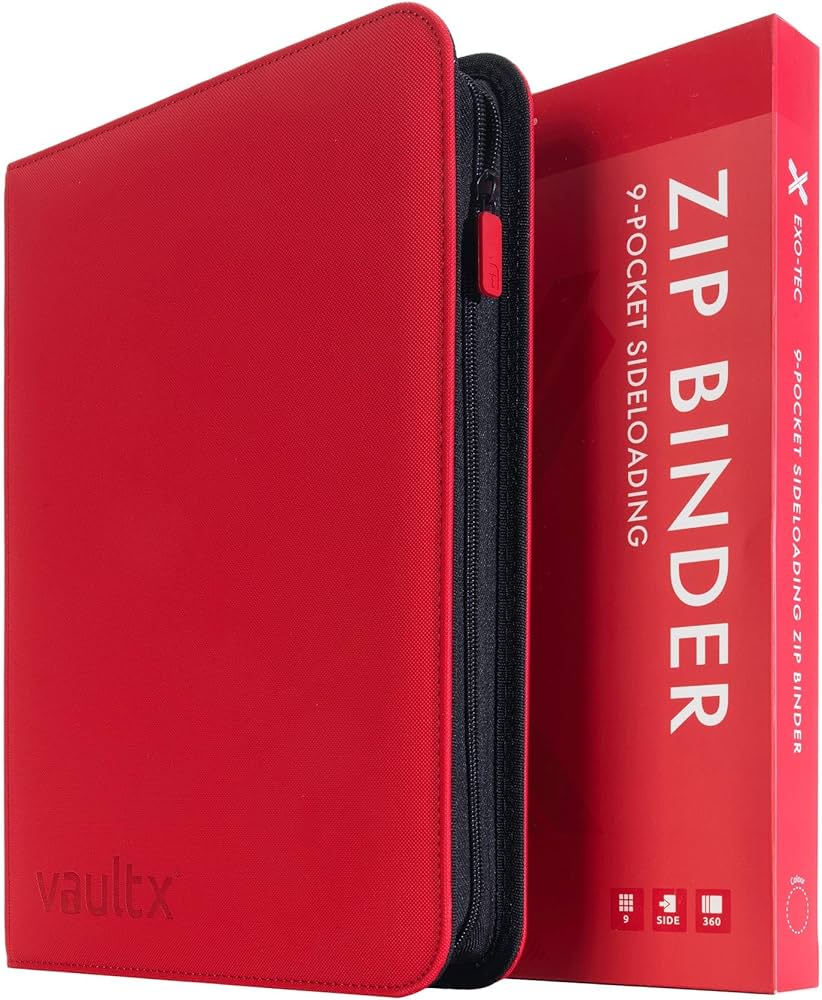
Vault X Premium Exo-Tec Zip Binder
Best Binder - Protect high-value foils and serialized cards
- ✓Side-loading zip binder for protection
- ✓Acid-free and PVC-free materials
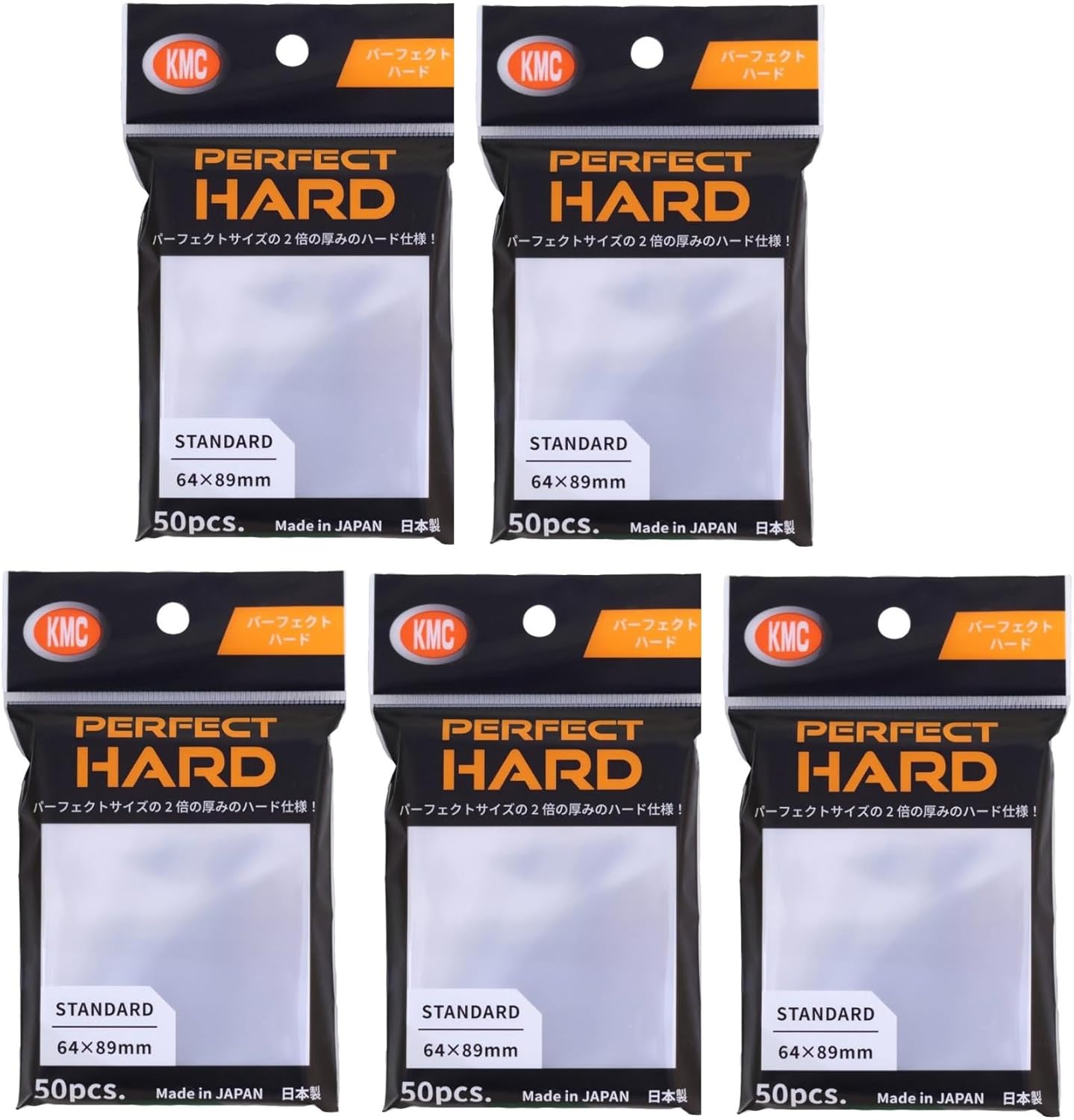
KMC Perfect Hard Inner Sleeves
Value Protection - Rigid inner sleeves that prevent bending and corner damage
- ✓Prevents bending and corner damage
- ✓Good for serialized foils and other high-value cards
A few years ago, most Magic cards had one or two versions, and checking a value meant looking up the name. Today one card can exist in a dozen printings. As of October 2026, Scryfall lists the regular Final Fantasy Traveling Chocobo at about $17.70. Its neon ink versions are listed at about $1,850 each. Same name, same rules text, a hundred times the price.
That gap is why so many collections get underpriced. A seller looks up the card name, sees the cheapest version, and sells a rare treatment for the price of a regular copy. The reverse happens too: a returning player sees a big price online and assumes their ordinary copy is worth it. Dockside Extortionist is a good example. In October 2026 its printings range from about $6 for the Avatar: The Last Airbender Eternal version to about $41 for the Double Masters 2022 etched foil.
This guide covers the tools that price a collection, what actually drives value as of October 2026, and the traps that cost people money. If you plan to sell a binder, insure a collection, or just want an accurate number, start here.
The 3 Best Tools to Check MTG Card Values
These are the apps and sites worth having on your phone or browser.
1. The Scanner: TCGplayer App / Dragon Shield
Best for: Quickly scanning a stack of cards
Platforms: iOS / Android
Why It Matters: Speed when you have hundreds of cards
Both the TCGplayer app and the Dragon Shield card manager app let you point your camera at a card and get a price. For bulk boxes or binder sorting, this is the fastest way to find the cards that matter.
Pro Tips:
- Look at TCGplayer's Market Price, which is based on recent sales, not the lowest or median listing.
- Double-check the set and collector number. Scanners often pick the wrong printing of a card that has been reprinted many times.
- Pick the right condition. A Lightly Played copy sells for less than Near Mint.
- For foils and special treatments, check the scanner picked the right finish. A scanner that reads your galaxy foil as a regular foil will undervalue it badly.
Why It's #1: Speed. Even if you check prices more carefully later, a scanner sorts the box for you.
2. The Collection Manager: ManaBox
Best for: Tracking your whole collection's value over time
Platforms: iOS / Android
Why It Matters: Knowing what you own, by exact printing
ManaBox lets you scan or import your collection, sort it by set and finish, and see its value. Record the exact printing and finish of each card when you add it, so a serialized or neon ink copy is never confused with the regular one.
Pro Tips:
- Record the set and collector number for every card worth more than a few dollars.
- Use tags or folders for special finishes (serialized, neon ink, galaxy foil, etched).
- Note where valuable cards are stored (binder, deck, safe).
- Export a CSV backup now and then.
Why It's #2: A scanner tells you what a card is worth today. A collection manager tells you what you own.
3. The European View: Cardmarket
Best for: European prices and a second opinion on US spikes
Platforms: Web
Why It Matters: Shows demand outside the US market
Cardmarket is the main singles marketplace in Europe. When a card jumps on TCGplayer, checking Cardmarket shows whether the price has moved there too. It is also useful for pricing foreign-language cards.
Pro Tips:
- Use the price trend chart on each card's page to see how it has moved over time.
- Cardmarket uses its own condition scale (Mint, Near Mint, Excellent, Good, Light Played, Played, Poor). Match condition before comparing prices.
- Convert currency properly (EUR to USD) when comparing with TCGplayer.
Why It's #3: If you only look at US prices, you only see half the market.
What Drives Value as of October 2026
Knowing why cards are worth what they are helps you spot the valuable ones before they leave in a bulk box.
1. The Exact Treatment
The biggest price differences today are between versions of the same card. These are the special treatments to look for:
- Serialized cards: Stamped with a number such as 001/500. Serialized cards became a regular booster chase with The Brothers' War in late 2022. Many recent main sets have one serialized "headliner" card. As of October 2026, Scryfall lists serialized The Aetherspark (Aetherdrift) at about $1,875 and serialized Mox Jasper (Tarkir: Dragonstorm) at about $2,825. Final Fantasy's serialized card is a version of Traveling Chocobo.
- Neon ink: Bright neon-coloured ink on a foil card. It started with Kamigawa: Neon Dynasty in 2022. Recent examples include the Final Fantasy Traveling Chocobo and the Avatar: The Last Airbender legends. Toph, the First Metalbender in neon ink is listed at about $1,050 (Scryfall, October 2026).
- Galaxy foil: A foil with a star-field pattern. It debuted in Unfinity in 2022 and returned in Edge of Eternities in 2025. The Edge of Eternities galaxy foil Watery Grave is listed at about $40, against about $11 for the regular version (Scryfall, October 2026).
- Surge and halo foils: Older premium foils. Surge foils started in the Warhammer 40,000 Commander decks in 2022, and halo foils in March of the Machine's Multiverse Legends in 2023. They usually carry a premium on playable cards.
Takeaway: Value is in the finish. Always identify the exact treatment before you price a card.
2. Universes Beyond and Secret Lair Appeal
Magic's crossover cards, such as Final Fantasy, Avatar: The Last Airbender and the SpongeBob Secret Lair, bring in buyers who are fans of the franchise as well as Magic players. That can lift a version's price above the regular card.
- Jodah, the Unifier: The SpongeBob SquarePants Secret Lair version is listed at about $20, while the original Dominaria United version is about $3 (Scryfall, October 2026).
- Traveling Chocobo: The regular Final Fantasy version is about $18, and the special treatments go into the thousands.
Takeaway: A popular character can carry a card's price. Check the exact version, not just the card name.
3. Ban Lists and Reprints
A card's price also depends on where it can be played and how often it gets reprinted.
- Commander bans: On 23 September 2024, Mana Crypt, Jeweled Lotus, Dockside Extortionist and Nadu, Winged Wisdom were banned in Commander. Banned cards lose most of their player demand, though some keep collector demand.
- Reprints: A new printing adds supply. Dockside Extortionist's cheapest version as of October 2026 is its 2025 reprint in Avatar: The Last Airbender Eternal.
- The Reserved List: Wizards has promised never to reprint Reserved List cards (such as the original dual lands), so their supply is fixed.
Takeaway: Before you price a card, check its legality and whether it has been reprinted recently.
The "Listing" vs. "Buylist" Trap
This is the most common misunderstanding among returning players.
- If a card "sells for $100 on TCGplayer," you will not get $100 in cash.
- Buylist price: What a store pays you. It is well below retail because the store has to resell the card.
- Private sale: What you get selling to another player, minus fees and shipping.
- Retail listing: What stores and sellers ask.
If you have not yet worked out which cards in the box are worth pricing at all, start with what Magic: The Gathering cards are worth money, which covers the visual markers that separate the cards that matter from the bulk.
Actionable Advice:
- Don't count your collection at retail. Unless you own a shop, you can't sell at that number.
- Use buylist prices for "cash now" valuations.
- Use market prices for insurance.
- Factor in fees (eBay, TCGplayer, PayPal) when planning a sale.
Treatments Worth Checking For (October 2026)
These are real examples of versions that are worth far more than the regular card. Prices are from Scryfall in October 2026.
Traveling Chocobo (Final Fantasy)
- Why: It has the widest price range of any recent card. The regular version is about $18, the borderless version about $33, the neon ink versions about $1,850 each, and there is also a serialized version.
- Tip: Check the collector number. The special versions start at number 551.
Edge of Eternities Galaxy Foils
- Why: The galaxy foil shock lands and planet lands sell for several times their regular price. Galaxy foil Evendo, Waking Haven is about $84.
- Tip: Galaxy foils are easy to miss under bad light. Look for the star-field pattern before you put a foil in bulk.
Avatar: The Last Airbender Neon Ink Legends
- Why: The neon ink versions of Aang, Katara, Toph and Fire Lord Zuko are each listed at $500 or more.
- Tip: Don't confuse these with the set's regular basic lands, which sell for well under a dollar (about $0.15 to $0.65).
Recommended Products: Protect & Track Your Value
See our top picks above for the tools we recommend for valuing and protecting your Magic cards.
Vault X Premium Exo-Tec Zip Binder
The Vault X Premium Exo-Tec Zip Binder is a good home for high-value cards, including serialized foils and other special treatments. It is side-loading, made from acid-free and PVC-free materials, and holds 480 cards. The zip closure keeps out dust and spills.
KMC Perfect Hard Inner Sleeves
KMC Perfect Hard Inner Sleeves add rigid protection against bending and corner damage, which matters for cards heading to grading or high-value foils. They fit inside standard outer sleeves for a double-sleeve setup. Edge wear can drop a card from Near Mint to Lightly Played, and that drop shows up in the price.
FAQ: Selling Your Cards
Should I grade my cards?
Only grade cards where a high grade adds a lot of value: Power Nine, Alpha and Beta staples, serialized cards and pristine high-end foils. For a modern rare, the grading fee and shipping usually cost more than the grade adds. Sleeve those cards and store them in a binder instead.
Is Mana Crypt worthless now?
No. It was banned in Commander on 23 September 2024, which removed most of its player demand, but collectors still buy it. In October 2026 the Double Masters printing is about $41 on Scryfall. Treat it as a collectible, not a spec target.
How do I know if a card is serialized?
Look for a stamped number such as "123/500" on the front of the card. Serialized cards are almost always foil and are usually a special version of a headliner card from the set. Record them separately in your collection app so they never end up in a bulk sale.
What's the easiest way to sell cards quickly?
If you need cash fast, sell to a buylist such as Card Kingdom or Star City Games. You get less than retail but no hassle. For more money, list on TCGplayer or sell in a trusted Facebook group, and be ready to handle shipping and fees. Our guide to where to sell Magic: The Gathering cards works through the 2026 fees at every venue.
Are galaxy foils safe to hold?
Treat them like any other high-value foil. Store them in inner sleeves and toploaders or a padded binder, and keep them away from humidity, which can make foils curl. Like any card, their price can still fall.
Conclusion: Know What You Have
Value comes down to details: set, collector number, finish, serial number and legality. These decide whether a card is worth $5 or $500. The tools have never been better, but you still need to check the exact printing.
- Download the Dragon Shield or TCGplayer app and scan your rares.
- Add the results to ManaBox so you know what you own.
- Check any unusual foils or serial numbers by collector number on Scryfall or TCGplayer.
- Protect anything valuable with inner sleeves and a good binder.
Next step: Scan your bulk box before you sell it. A galaxy foil or neon ink card can hide among regular foils, and once a bulk lot is sold it is gone.
External References
- TCGplayer – Market Prices for every MTG set
- Scryfall – Every printing of every card, with prices and collector numbers
- MTGStocks – Price history and trend charts
Related Articles
- Best Magic: The Gathering Starter Decks – Pick the right product for learning or gifting
- Best Magic: The Gathering Commander Decks – Precons for social play
- Most Valuable Magic: The Gathering Cards 2026 – The cards to check for before you sell
Frequently Asked Questions
🔗 Related Resources
More Reviews:
Related Articles

MTG Star Trek: Release Date, Products and What to Preorder
MTG Star Trek releases 13 November 2026. Every product, its MSRP, what it costs to preorder on TCGplayer today, and which ones are worth buying early.

MTG Final Fantasy Products: Chocobo Bundle, Boxes, Precons
Every MTG Final Fantasy product: the Chocobo Bundle, play and collector booster boxes, the four Commander decks and Secret Lairs, with September 2026 prices.

MTG Infinity Stones: Soul Stone and Mind Stone Explained
The MTG Infinity Stones so far: The Soul Stone (Spider-Man) and The Mind Stone (Marvel Super Heroes). What each does, how harness works, prices, Commander use.