Quick Verdict
A competitive Pokemon TCG deck is 60 cards, with no more than 4 copies of any card except Basic Energy and only 1 ACE SPEC. As of October 2026, Standard allows cards with the H, I and J regulation marks; the G cards (Iono, Arven, Earthen Vessel, Counter Catcher, Nest Ball, Pidgeot ex) rotated out on 10 April 2026. Top lists run roughly 16-20 Pokemon, 32-36 Trainers and 7-11 Energy, built around Lillie's Determination, Boss's Orders, Ultra Ball and either Buddy-Buddy Poffin or a type-specific search card.
Learning how to build a Pokemon TCG deck in October 2026 means building for a format that changed a lot this year. Mega Evolution came back in the Mega Evolution set on 26 September 2025. The April 2026 rotation then removed every card with the G regulation mark, including Iono, Arven and Earthen Vessel, which had been in almost every deck for two years.
This guide covers the rules that shape deck building, the ratios that top players use, the engines and Trainer staples that are still legal, and three real decklists from the Recife Regional Championship on 3 October 2026.
Every card named here was checked against its printed text and regulation mark. Prices are TCGplayer market prices for the cheapest regular printing, taken on 8 October 2026.
Understanding the Current Standard Format
The Basic Deck Rules
- Exactly 60 cards.
- No more than 4 copies of a card with the same name. Basic Energy is the only exception.
- No more than 1 ACE SPEC card in the whole deck.
- Each game, you play to 6 Prize cards.
Regulation Marks: What's Legal
The small letter in the bottom-left corner of a card is its regulation mark. As of October 2026, Standard allows H, I and J.
- H cards first appeared in Temporal Forces (March 2024).
- I cards first appeared in Journey Together (March 2025). Some cards in Journey Together still carry H.
- J cards first appeared in Ascended Heroes (January 2026).
The 2026 rotation took effect on 10 April 2026 for tournaments. It removed all G cards, from Scarlet & Violet base set through to G-marked prints in later sets. Check the mark, not the set: Professor's Research was reprinted in Journey Together and Black Bolt, but both prints carry G, so it's gone. Boss's Orders, Ultra Ball and Rare Candy, on the other hand, were reprinted in Mega Evolution with the I mark and are still legal.
Cards that rotated in April 2026 and that you'll see in older guides:
- Iono, Arven
- Earthen Vessel, Counter Catcher, Nest Ball, Super Rod
- Pidgeot ex (Obsidian Flames), Gardevoir ex (Scarlet & Violet)
- Professor's Research (every printing so far)
Older rotations removed the F cards (Radiant Greninja, Lumineon V, Rotom V, Radiant Alakazam, Double Turbo Energy) in April 2025, and the E cards, including Battle VIP Pass, in April 2024.
For the full list, see our Pokemon TCG rotation guide.
Mega Evolution Pokemon ex
Mega Evolution Pokemon ex are the headline mechanic of the current block. They work differently from the XY-era Mega Pokemon-EX.
How Mega Evolution ex works
A Mega Evolution Pokemon ex is a normal Basic, Stage 1 or Stage 2 Pokemon. It evolves from a regular Pokemon, not from an ex. Mega Lucario ex is a Stage 1 that evolves from Riolu. Mega Gardevoir ex is a Stage 2 that evolves from Kirlia. Evolving into one does not end your turn, so you can attack in the same turn if you have the Energy.
The cost is the Prize trade. When a Mega Evolution Pokemon ex is Knocked Out, your opponent takes 3 Prize cards. Two Mega Knock Outs is a whole game.
In return, Megas have big HP and big attacks. Printed HP so far runs from 250 (Mega Floette ex, Mega Hawlucha ex) to 380 (Mega Venusaur ex, Mega Emboar ex). Mega Lucario ex has 340 HP and Mega Gardevoir ex has 360.
That leaves you two broad ways to build a Mega deck:
Fast: take Prizes quickly so the opponent never gets two Knock Outs. Mega Lucario ex does this.
Durable: make each Mega hard to Knock Out. Wally's Compassion heals all damage from one of your Mega Evolution Pokemon ex (you put its Energy back in your hand), and the ACE SPEC Hero's Cape gives +100 HP.
Tera Pokemon
Tera Pokemon ex, such as Dragapult ex and Terapagos ex, take no damage from attacks while they're on your Bench. That makes them safe to set up behind an Active Pokemon. Area Zero Underdepths (Stellar Crown, H) lets a player with a Tera Pokemon in play have up to 8 Pokemon on their Bench.
The Numbers Behind a Consistent Deck
A good deck isn't just strong cards. It's 60 cards that find the right pieces by your second turn. The three Regional lists later in this guide land in a tight range:
| Deck (Recife Regional, 3 Oct 2026) | Pokemon | Trainers | Energy |
|---|---|---|---|
| Mega Lucario ex (16th) | 16 | 33 | 11 |
| Dragapult ex (2nd) | 20 | 32 | 8 |
| N's Zoroark ex (4th) | 17 | 36 | 7 |
A sensible starting point is 16-20 Pokemon, 32-36 Trainers and 7-11 Energy. Decks that move Energy back from the discard pile (Lucario, Zoroark) need fewer Energy cards than you might expect. Run 4 copies of anything you want to see in your opening hand, such as your main Basic Pokemon and your best draw Supporter.
Draw and Search Engines
With Iono, Arven and Pidgeot ex gone, decks get their consistency from these:
Solrock and Lunatone
Lunatone (MEG 74): Lunar Cycle. Once during your turn, if you have Solrock in play, you may discard a Basic Fighting Energy card from your hand to draw 3 cards. You can't use more than one Lunar Cycle each turn.
Solrock (MEG 75): its attack Cosmic Beam does 70 damage, but only if Lunatone is on your Bench.
The discard requirement means this engine belongs in Fighting decks. In Mega Lucario ex it does two jobs: it draws cards and it puts Fighting Energy in the discard pile for Aura Jab to attach later. The Recife Lucario list plays 3 Solrock and 2 Lunatone.
Dudunsparce
Dudunsparce (TEF 129): Run Away Draw. Once during your turn, draw 3 cards, then shuffle Dudunsparce and everything attached to it back into your deck. It's a one-off draw you can reuse by playing Dunsparce again. Dragapult lists play one.
Meowth ex
Meowth ex (POR 62): Last-Ditch Catch. When you play it from your hand onto your Bench, you may search your deck for a Supporter card. It's in all three lists below. It's a Basic ex worth 2 Prizes, so don't leave it on the Bench late in the game if you can avoid it.
N's Zoroark ex
N's Zoroark ex (JTG 98): Trade. Discard a card from your hand to draw 2 cards, once during your turn per Zoroark. With two or three in play, it draws a lot of cards every turn.
Noctowl (Tera decks only)
Noctowl (SCR 115): Jewel Seeker. When you play it from your hand to evolve, if you have a Tera Pokemon in play, search your deck for up to 2 Trainer cards. It's a strong turn-two play in Tera decks but does nothing without a Tera Pokemon in play.
Trainer Staples for the 2026 Standard Format
| Card | Type | What it does | Typical count |
|---|---|---|---|
| Lillie's Determination | Supporter (I) | Shuffle your hand into your deck and draw 6 cards, or 8 if you have exactly 6 Prize cards left. | 4 |
| Boss's Orders | Supporter (I) | Switch one of your opponent's Benched Pokemon into the Active Spot. | 2-4 |
| Judge | Supporter (J) | Each player shuffles their hand into their deck and draws 4 cards. The legal replacement for Iono-style disruption. | 0-2 |
| Ultra Ball | Item (I) | Discard 2 other cards from your hand to search your deck for any Pokemon. | 3-4 |
| Buddy-Buddy Poffin | Item (H) | Put up to 2 Basic Pokemon with 70 HP or less from your deck onto your Bench. | 4 (if your Basics have 70 HP or less) |
| Poke Pad | Item (J) | Search your deck for a Pokemon without a Rule Box (not an ex). | 2-4 |
| Night Stretcher | Item (H) | Put a Pokemon or a Basic Energy card from your discard pile into your hand. | 1-3 |
| Special Red Card | Item (J) | Only if your opponent has 3 or fewer Prize cards left: they put their hand on the bottom of their deck and draw 3. | 1 |
| Unfair Stamp | ACE SPEC Item (H) | Only if one of your Pokemon was Knocked Out last turn: each player shuffles their hand in, you draw 5 and your opponent draws 2. | 1 (it's your ACE SPEC) |
Buddy-Buddy Poffin only finds Basics with 70 HP or less. It gets Dreepy (70 HP) and N's Zorua (70 HP), but not Riolu (80 HP). That's why the Lucario list plays Fighting Gong instead: it searches your deck for a Basic Fighting Energy card or a Basic Fighting Pokemon.
Three Decklists From the Recife Regional (3 October 2026)
These lists come from the Recife Regional Championship in Brazil on 3 October 2026 (1,074 players), as published on Limitless TCG. Every card was checked for an H, I or J regulation mark. Each list is exactly 60 cards.
Mega Lucario ex (16th place)
Plan: set up Riolu with Solrock and Lunatone, then evolve into Mega Lucario ex and attack the same turn.
Pokemon (16)
- 3 Riolu (MEG 76)
- 3 Mega Lucario ex (MEG 77)
- 3 Solrock (MEG 75)
- 2 Lunatone (MEG 74)
- 2 Makuhita (MEG 72)
- 2 Hariyama (MEG 73)
- 1 Meowth ex (POR 62)
Trainers (33)
- 4 Lillie's Determination (MEG 119)
- 2 Boss's Orders (MEG 114)
- 2 Judge (POR 76)
- 1 Ciphermaniac's Codebreaking (TEF 145)
- 1 Wally's Compassion (MEG 132)
- 4 Ultra Ball (MEG 131)
- 4 Fighting Gong (MEG 116)
- 4 Premium Power Pro (MEG 124)
- 3 Poke Pad (POR 81)
- 1 Switch (MEG 130)
- 1 Night Stretcher (ASC 196)
- 1 Special Red Card (CRI 82)
- 1 Unfair Stamp (TWM 165)
- 2 Air Balloon (ASC 181)
- 1 Team Rocket's Watchtower (DRI 180)
- 1 Gravity Mountain (SSP 177)
Energy (11)
- 9 Basic Fighting Energy
- 2 Rocky Fighting Energy (POR 87)
How it plays
Mega Lucario ex has two attacks. Aura Jab (one Fighting Energy) does 130 damage and attaches up to 3 Basic Fighting Energy cards from your discard pile to your Benched Pokemon. Mega Brave (two Fighting Energy) does 270 damage, but it can't be used again during your next turn.
Early turns: use Fighting Gong, Poke Pad and Ultra Ball to get Riolu, Solrock and Lunatone onto the Bench. Lunar Cycle discards Fighting Energy and draws 3, which also stocks the discard pile.
Turn two onward: evolve into Mega Lucario ex and use Aura Jab to power up the Bench. Premium Power Pro is an Item that makes your Fighting Pokemon's attacks do 30 more damage to the opponent's Active Pokemon that turn. With it, Mega Brave hits 300.
Hariyama has Heave-Ho Catcher: when you play it from your hand to evolve, you may switch one of your opponent's Benched Pokemon into the Active Spot. That's a second Boss's Orders that doesn't use your Supporter.
Rocky Fighting Energy prevents all effects of the opponent's attacks done to the Fighting Pokemon it's attached to. Damage isn't an effect, so it doesn't reduce damage.
Weakness: Mega Lucario ex is weak to Psychic.
If you want this deck pre-built, the Mega Lucario ex League Battle Deck released on 22 May 2026 at $29.99. It includes 3 Mega Lucario ex, Lunatone, Fezandipiti ex and the ACE SPEC Secret Box.
Dragapult ex (2nd place)
Plan: evolve Dreepy into Dragapult ex and spread damage across the opponent's Bench every turn.
Pokemon (20)
- 4 Dreepy (TWM 128)
- 4 Drakloak (TWM 129)
- 3 Dragapult ex (TWM 130)
- 2 Munkidori (TWM 95)
- 2 Budew (ASC 16)
- 1 Dunsparce (JTG 120)
- 1 Dudunsparce (TEF 129)
- 1 Dudunsparce ex (JTG 121)
- 1 Meowth ex (POR 62)
- 1 Fezandipiti ex (ASC 142)
Trainers (32)
- 4 Lillie's Determination (MEG 119)
- 3 Boss's Orders (MEG 114)
- 2 Crispin (SCR 133)
- 1 Rosa's Encouragement (POR 84)
- 4 Buddy-Buddy Poffin (TEF 144)
- 4 Crushing Hammer (POR 71)
- 4 Poke Pad (POR 81)
- 3 Night Stretcher (ASC 196)
- 3 Ultra Ball (MEG 131)
- 1 Special Red Card (CRI 82)
- 1 Unfair Stamp (TWM 165)
- 2 Risky Ruins (MEG 127)
Energy (8)
- 3 Basic Psychic Energy
- 3 Basic Fire Energy
- 2 Basic Darkness Energy
How it plays
Dragapult ex (320 HP, Stage 2, Tera) attacks with Phantom Dive for one Fire and one Psychic Energy: 200 damage to the Active Pokemon, plus 6 damage counters spread across the opponent's Bench however you like. Because it's a Tera Pokemon, it takes no damage from attacks while on your Bench.
Crispin finds two Basic Energy of different types. You attach one and put the other in your hand, which is exactly what Phantom Dive needs.
Munkidori has Adrena-Brain: if it has a Darkness Energy attached, once during your turn you may move up to 3 damage counters from one of your Pokemon to one of your opponent's. That's what the 2 Darkness Energy are for.
Budew costs nothing to retreat. Its attack Itchy Pollen stops your opponent playing Item cards during their next turn.
Rosa's Encouragement is for when you're behind: if you have more Prize cards left than your opponent, attach up to 2 Basic Energy from your discard pile to one of your Stage 2 Pokemon.
Risky Ruins puts 2 damage counters on any Basic non-Darkness Pokemon a player puts onto their Bench during their turn. That hurts your Dreepy too, but it sets up Phantom Dive Knock Outs on the opponent's Bench.
N's Zoroark ex (4th place)
Plan: draw lots of cards with Trade, then use Night Joker to copy the attacks of Benched N's Pokemon.
Pokemon (17)
- 4 N's Zorua (JTG 97)
- 4 N's Zoroark ex (JTG 98)
- 2 N's Zekrom (ASC 155)
- 2 Munkidori (TWM 95)
- 1 N's Reshiram (JTG 116)
- 1 Meowth ex (POR 62)
- 1 Pecharunt ex (SFA 39)
- 1 Yveltal (MEG 88)
- 1 Budew (ASC 16)
Trainers (36)
- 4 Lillie's Determination (MEG 119)
- 4 Boss's Orders (MEG 114)
- 2 Black Belt's Training (JTG 143)
- 1 Cyrano (SSP 170)
- 1 Judge (POR 76)
- 4 Buddy-Buddy Poffin (TEF 144)
- 4 N's PP Up (JTG 153)
- 4 Ultra Ball (MEG 131)
- 2 Night Stretcher (ASC 196)
- 2 Poke Pad (POR 81)
- 1 Unfair Stamp (TWM 165)
- 1 Special Red Card (CRI 82)
- 2 Punk Helmet (PFL 92)
- 2 N's Castle (JTG 152)
- 2 Team Rocket's Watchtower (DRI 180)
Energy (7)
- 7 Basic Darkness Energy
How it plays
N's Zoroark ex (280 HP, Stage 1) attacks with Night Joker for two Darkness Energy. Night Joker uses one of the attacks of your Benched N's Pokemon. N's Zekrom has Rampaging Thunder (250 damage, then it can't attack during your next turn), and N's Reshiram has Powerful Rage (20 damage for each damage counter on it).
N's PP Up attaches a Basic Energy from your discard pile to one of your Benched N's Pokemon. N's Castle gives all N's Pokemon in play, yours and your opponent's, no Retreat Cost.
Black Belt's Training is a Supporter that makes your attacks do 40 more damage to the opponent's Active Pokemon ex that turn. Pecharunt ex can switch one of your Benched Darkness Pokemon into the Active Spot once a turn, though the new Active Pokemon is Poisoned.
Support Pokemon Worth Knowing
Fezandipiti ex
Flip the Script: once during your turn, if any of your Pokemon were Knocked Out during your opponent's last turn, you may draw 3 cards. It helps you recover after a Knock Out. It's in the Dragapult list above and in the Mega Lucario ex League Battle Deck. About $3.95 (SFA 38) on TCGplayer, October 2026.
Munkidori
Adrena-Brain: needs a Darkness Energy attached. Then, once during your turn, you may move up to 3 damage counters from one of your Pokemon to one of your opponent's. It heals your own Pokemon and finishes off damaged ones at the same time. It shows up in both the Dragapult and Zoroark lists.
Dusknoir
Cursed Blast (Prismatic Evolutions and Shrouded Fable, H): once during your turn, put 13 damage counters on one of your opponent's Pokemon, then Dusknoir is Knocked Out. It's a Stage 2 Pokemon, so it gives up only 1 Prize card, and it adds 130 damage to whatever your attacker is doing.
Choosing Your ACE SPEC
Every deck may include one ACE SPEC. Most are cheap. Prices are TCGplayer market prices for the cheapest printing, 8 October 2026:
- Unfair Stamp (about $13.28): the choice in all three Recife lists. Best when you're behind on Prizes.
- Hero's Cape (about $28.86): +100 HP to the Pokemon it's attached to. The priciest of these.
- Secret Box (about $6.19): discard 3 other cards from your hand, then search your deck for an Item, a Pokemon Tool, a Supporter and a Stadium.
- Prime Catcher (about $0.91): switch one of your opponent's Benched Pokemon into the Active Spot, and then switch your own Active Pokemon with one of your Benched Pokemon.
- Maximum Belt (about $0.67): attacks from the Pokemon it's attached to do 50 more damage to the opponent's Active Pokemon ex.
Tournament Preparation
Check Your List
Regulation check: every card except Basic Energy needs an H, I or J mark in the bottom-left corner. Older prints of a reprinted card can carry an old mark, so check the actual card you own.
Count to 60: add up each section before you submit your list. A list that doesn't match your deck can cost you game losses.
Gameplay Habits
Bench management: every Pokemon ex you bench is 2 Prize cards for your opponent, and a Mega is 3. Bench support ex like Meowth ex or Fezandipiti ex only when they're doing something.
Order of play: use search Items (Ultra Ball, Poke Pad) to take the cards you need out of your deck before you play a draw Supporter like Lillie's Determination. Your draw is then more likely to hit the rest.
Prize check: when you first search your deck, note which key cards are in your Prize cards. If your only Wally's Compassion is prized, you need a different plan.
Count Prizes both ways: if your deck is all Megas, two Knock Outs end the game. Single-Prize attackers like Hariyama or N's Zekrom force your opponent to take more Knock Outs to win.
Conclusion
To build a competitive Pokemon TCG deck in October 2026, start from the rules (60 cards, 4 copies, 1 ACE SPEC, H/I/J only) and a proven ratio (about 16-20 Pokemon, 32-36 Trainers, 7-11 Energy). Pick one attacker, give it an engine that fits its type, and fill the rest with legal staples like Lillie's Determination, Boss's Orders, Ultra Ball and Night Stretcher.
If you want a starting point, copy one of the three Recife lists above, play it for a few weeks, and change one or two cards at a time.
Related Guides:
- Pokemon TCG Rotation Guide 2026 - What the April 2026 rotation removed
- Pokemon TCG Beginner Guide - Rules, products and how to start playing
- Pokemon TCG Standard vs Expanded - Which format to play
- Pokemon TCG Prismatic Evolutions Chase Cards Guide - The set behind several H-mark staples
Frequently Asked Questions
🔗 Related Resources
Explore More:
More Reviews:
Related Articles
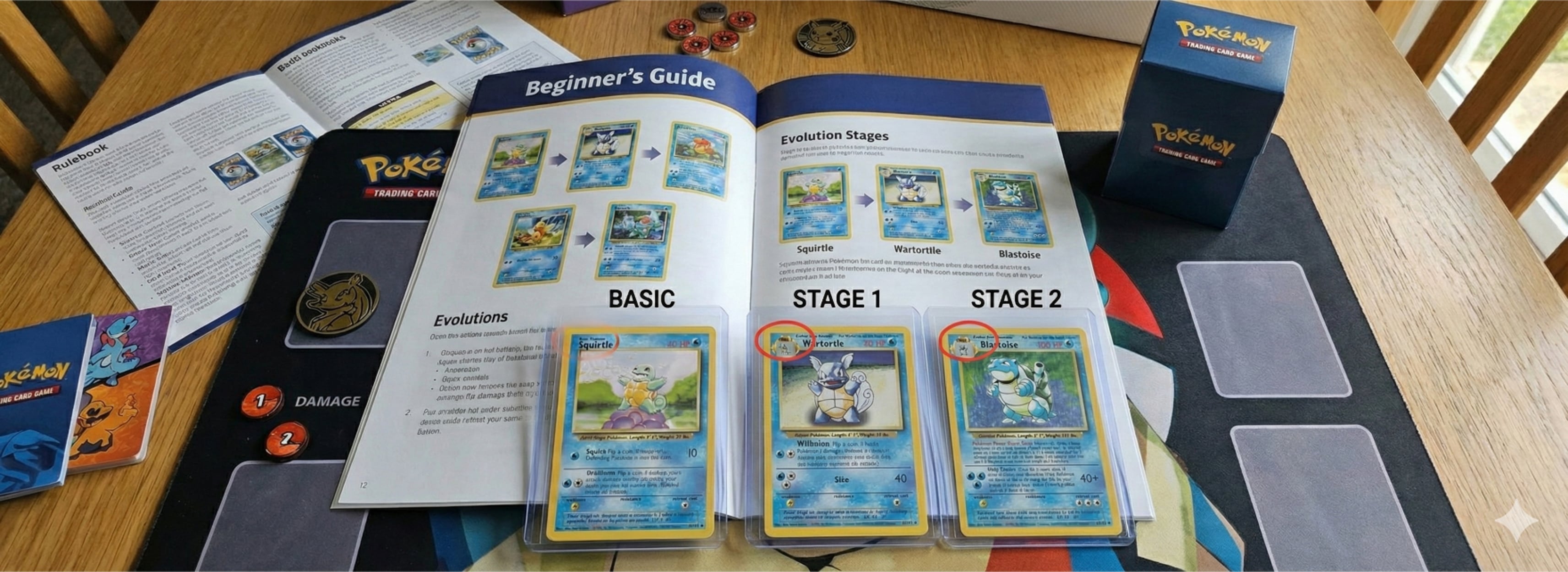
Pokémon TCG Beginner Guide: Rules, Mega Evolution and What to Buy (2026)
A Pokémon TCG beginner guide for October 2026: how a game works, how Mega Evolution ex works, what the April 2026 rotation changed, and which beginner products are worth buying now.
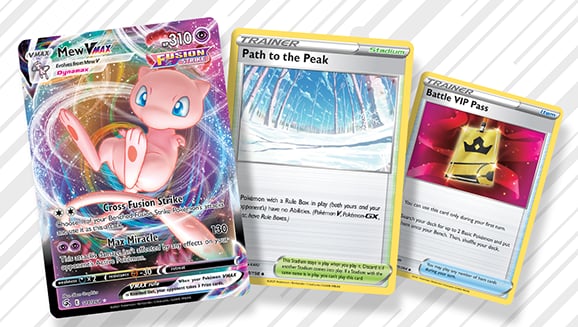
Pokemon TCG Standard vs Expanded: Complete Format Comparison Guide (2026)
Pokemon TCG Standard vs Expanded compared for 2026: legal regulation marks after the April 2026 rotation, the Expanded ban list, Mega Evolution old and new, and how Pokémon TCG Live handles Expanded.
Pokemon TCG Rotation Guide: The 2026 Standard Rotation and the End of the G Era
The 2026 Pokémon TCG Standard rotation explained: G regulation mark cards left Standard on 10 April 2026. Which cards rotated, which survived through reprints, and what replaced them.