

Quick Verdict
Magic is free on Arena and about $27–$50 for a complete paper Commander deck. It becomes expensive only when you opt into sealed product, competitive 1v1 formats, or collecting — three cost curves that share a name and almost nothing else. Prices did rise in January 2026: Collector Boosters went from $24.99 to $26.99 and Commander precons from $44.99 to $49.99. But the products that got dramatically more expensive are collector products, and no one has to buy them.
WHAT EACH PRICE TIER COSTS RIGHT NOW
.jpg)
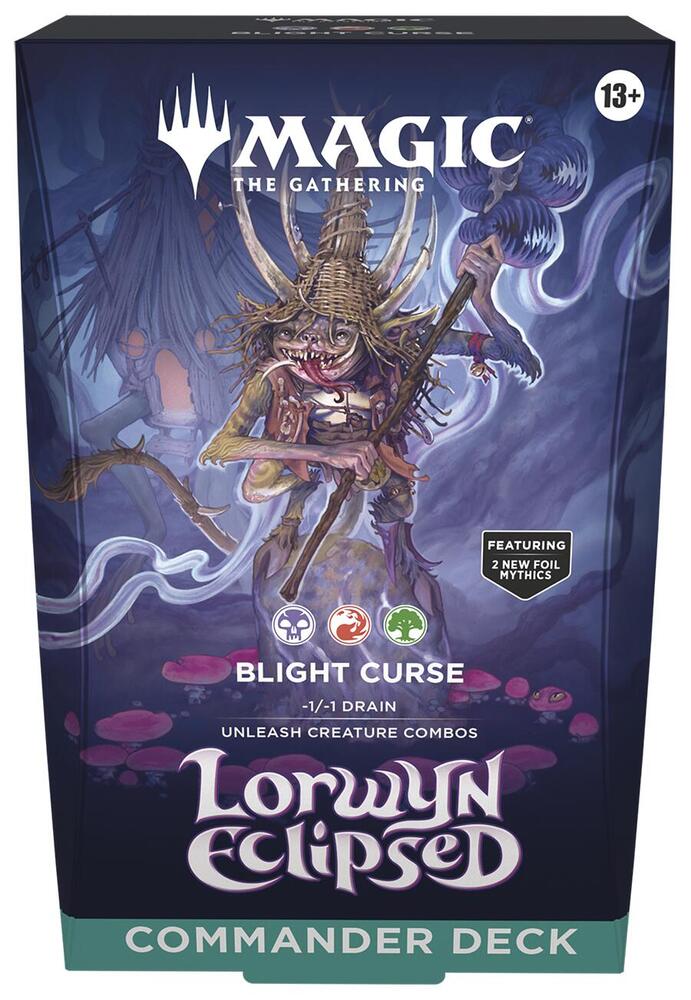
Lorwyn Eclipsed Commander Deck: Blight Curse
A current precon trading well under its $49.99 MSRP - the clearest case that Commander is cheaper than the sticker price
- ✓Complete 100-card deck from January 2026
- ✓Black-red-green -1/-1 counters and drain
"Is Magic expensive?" gets answered badly because four different activities share the name.
Playing on Arena is free. Playing paper Commander is one purchase of under fifty dollars. Playing competitive Modern is a four-figure commitment. Collecting vintage cardboard has no ceiling — a single card sold for three million dollars in 2024.
All four are Magic. Someone who spent $27 on a precon and someone who spent $2,000 on a Legacy manabase are both accurately describing their experience, and neither is describing yours.
This guide gives the real 2026 numbers for each path, explains what changed in January when prices went up, and separates the costs you have to pay from the ones you are choosing to.
The short answer: free to $50 to start, and everything above that is opt-in.
What Things Actually Cost in 2026
| What | Price | What you get |
|---|---|---|
| MTG Arena | Free | The full game digitally, no purchase required |
| Foundations Commander decks (Oct 2026) | $26.99 | A complete 100-card deck — the cheapest precons Wizards has made |
| Standard Commander precon | $49.99 | A complete 100-card deck (raised from $44.99 in January) |
| Starter Kit | ~$20 | Two ready 1v1 decks plus Arena codes |
| Play booster pack | ~$5 | 14 random cards |
| Play booster box | $107–$295 market | 30 packs. MSRP is ~$130; market price is what you pay |
| Collector Booster pack | $26.99 | Premium treatments (raised from $24.99 in January) |
| Prerelease entry | $25–$35 | Six packs, a foil promo, a spindown, and an afternoon of games |
| Sleeves | ~$10–$25 | Protection for one deck |
If you want to know what is actually inside a given box rather than what it costs, we publish an expected value breakdown per box, calculated from current single prices.
The booster box row is the one to read twice. MSRP is roughly $130, but our August 2026 survey of thirteen booster boxes found a market range from $107 for Aetherdrift to $295 for Modern Horizons 3 — four sets trading below MSRP and nine above it, with Final Fantasy at $227. The number on the box tells you very little.
Here's one real product at each step of the table, priced on TCGplayer on 6 October 2026.
What each price tier looks like right now
Final Fantasy Starter Kit
two ready decks in one box
- Two 60-card decks: Cloud vs Sephiroth
- Includes MTG Arena codes
- Play the same night you buy it
Lorwyn Eclipsed Commander Deck: Blight Curse
- Complete 100-card Commander deck from January 2026
- Black-red-green -1/-1 counters and drain
- Two new foil mythics
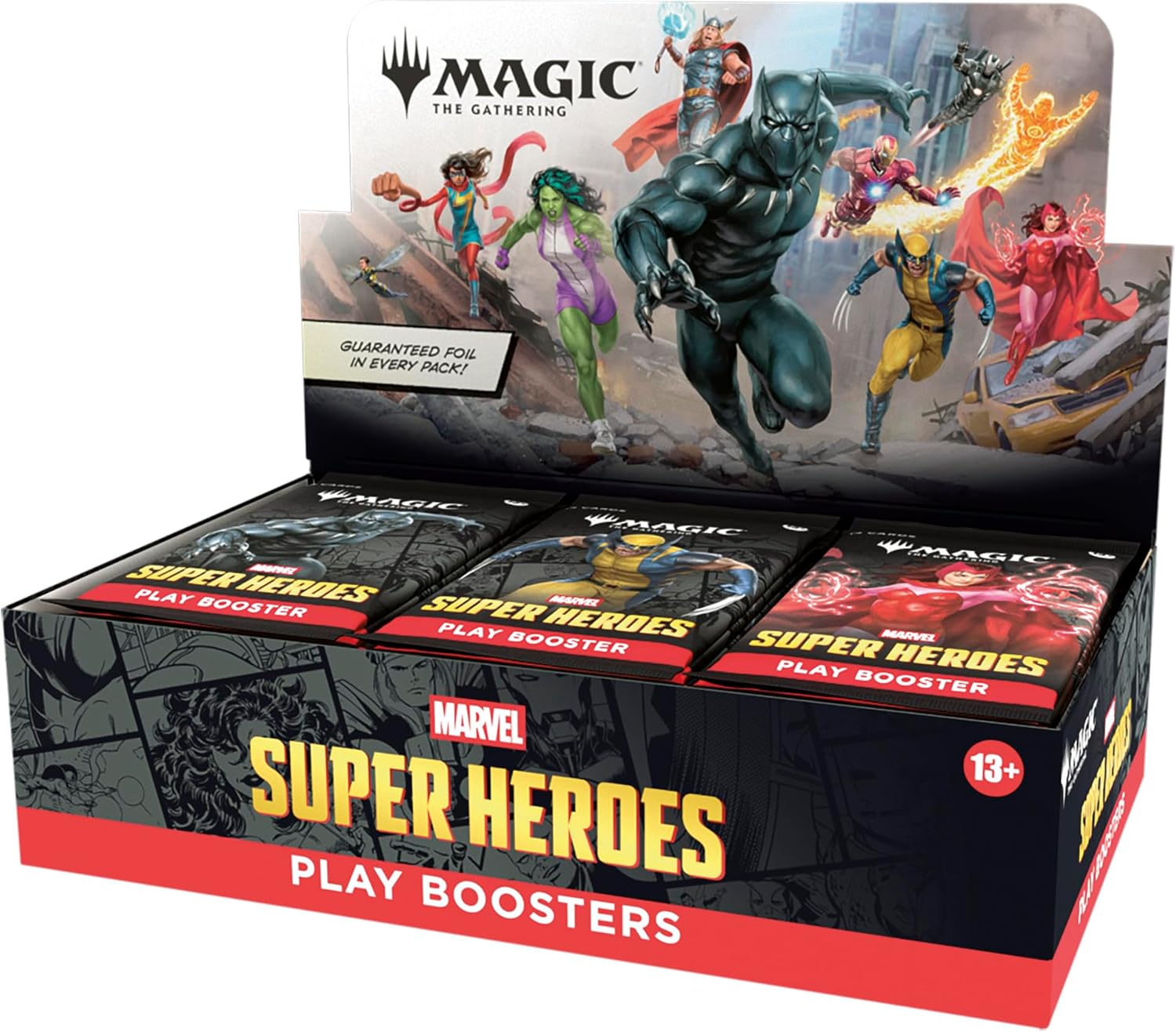
Marvel Super Heroes Play Booster Box
trading below its ~$130 MSRP
- Released June 2026
- Standard-legal
- Good for a draft night with friends
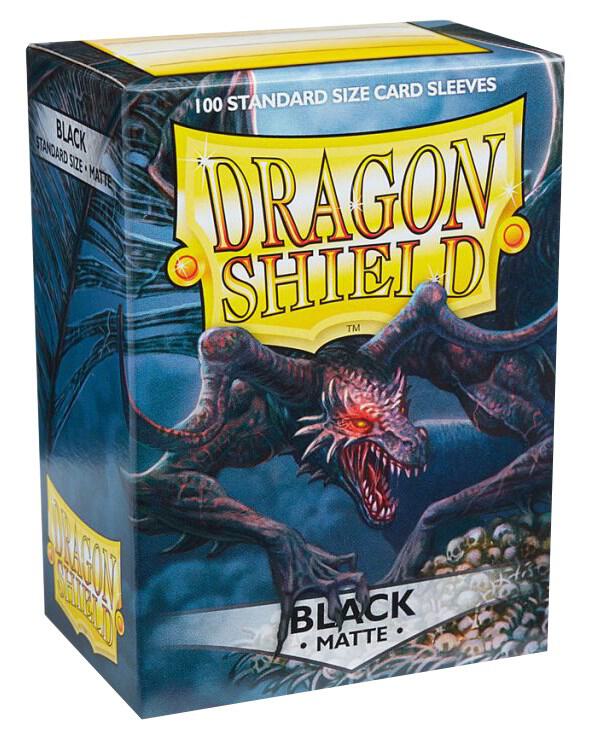
Dragon Shield Matte Sleeves (100-Pack)
enough for one Commander deck
- 100 standard-size sleeves
- Matte finish shuffles well
- The most common sleeve at tournaments
Also on Amazon; the price there varies by seller.
What actually changed in January 2026
Wizards raised prices with Lorwyn Eclipsed:
- Collector Boosters: $24.99 → $26.99 per pack
- Commander precons: $44.99 → $49.99
The stated reason was increased manufacturing and shipping costs. Worth noting: these are not unprecedented — prices also rose in 1995 and 1999 — and the products that moved are the mid and premium tiers. The Foundations Commander decks landing in October at $26.99 are going the other way.
The Three Cost Curves
Everything about the cost question resolves once you know which curve you are on.
Curve 1: Casual play — flat and low
Buy a precon. Play it. Buy another when you want a different deck.
The realistic total for a year of casual Commander is one to three precons, roughly $27–$150. Cards you own carry across decks indefinitely, so a staple bought once is bought forever. This is the cheapest form of paper Magic and it is also the most-played, which is not a coincidence.
Curve 2: Competitive constructed — steep, and format-dependent
Here the format is the price, not the deck.
| Format | Cost shape | Why |
|---|---|---|
| Commander (casual) | Low, one-time | Precons are complete; cards carry across decks forever |
| Standard | Moderate, recurring | Small card pool keeps costs down, but rotation means recurring spend to stay legal |
| Modern | High, one-time | Draws on decades of cards; no rotation, so a deck stays legal for years |
| Legacy / Vintage | Very high | Reserved List staples can never be reprinted, so supply is permanently fixed |
| cEDH | Very high | Singleton, so no discount from playing four copies of a cheap card |
The counterintuitive result: Modern often costs less over time than Standard, despite a far higher entry price. A Modern deck stays legal indefinitely. A Standard deck needs rebuilding as cards rotate. Our complete guide to MTG formats covers what each format actually asks of you.
Curve 3: Collecting — no ceiling
Collector Boosters, sealed product, graded slabs and vintage singles. This curve has no top. A Black Lotus in high grade sold for three million dollars.
The important thing about this curve is that it is entirely separate from playing. Nothing on it is required to play any format, and most of it cannot even be played — the Universes Beyond Secret Lair drops and premium treatments are collectibles first.
Magic is not expensive. Collecting Magic is expensive, competitive Magic is expensive, and both are optional in a way that is easy to miss when they dominate the coverage.
Why It Got More Expensive
Three forces, and only one is Wizards setting a number.
Manufacturing and shipping costs rose. This is the reason given for the January 2026 increase, and it is the smallest of the three in absolute terms — two dollars on a Collector Booster, five on a precon.
The premium tier expanded enormously. Ten years ago there was essentially one kind of booster. Now there are play boosters, collector boosters, and sets with a collector ceiling that would have been unimaginable — The Hobbit's Collector Booster Box carries an MSRP around $455, roughly $38 a pack. That product did not replace a cheaper one; it was added above it. The average price of "a box of Magic" went up because the range extended upward, not because the entry point moved.
The secondary market, which is most of it. This is where the real money is and Wizards does not set it. The Hobbit Collector Booster Box sold out at MSRP and moved to third-party listings at $850 or more — nearly double, with none of that going to the publisher. Popular sets trade above MSRP as a matter of course.
Underneath all of it sits the Reserved List: a standing promise never to reprint certain cards in tournament-legal form. Those cards have permanently fixed supply, which is why Legacy and Vintage costs never come down no matter what Wizards prints.
Where new players actually lose money
Not on decks. On these:
Sealed product. A booster box is a large payment for random cards, and the expected value of the singles inside is usually below what you paid. If you want specific cards, buy those cards.
Chasing a card that is about to be reprinted. Prices on non-Reserved-List staples fall sharply after a reprint. Buying a $40 staple two months before it appears in a precon is an avoidable loss.
Upgrading a precon before understanding it. Precons are built to function as printed. Swapping cards you have not played with reliably makes the deck worse and costs money to do it.
Standard, if you play irregularly. Rotation means recurring cost. If you play monthly, Commander is far cheaper per game.
How to Play Cheaply and Still Play Properly
Play Arena. It is free, it is the full game, and it is a complete way to play Magic indefinitely.
Buy precons, not packs. A complete deck for one payment, no variance.
Play Commander. Cards carry across decks forever, there is no rotation, and the format is casual enough that a precon is a real deck rather than a handicap.
Buy singles for what you need. Nearly always cheaper than opening packs hoping to find it. Our guide to valuing MTG cards covers pricing before you buy.
Go to prereleases rather than buying boxes. Around $30 for six packs, a promo, and a full afternoon of games — the packs alone are close to that at retail.
Sell what you are not using. Most players have more value sitting in a box than they realise. See what MTG cards are worth money and where to sell them.
Ask your group about proxies. Many casual Commander tables allow printed proxies for expensive staples. This is a house rule, not a legal option for sanctioned events, but it removes the cost problem entirely at a kitchen table.
Conclusion: The Price Is a Choice
The honest answer to "is Magic expensive" is that the floor is zero and the ceiling is unlimited, and almost nothing in between is compulsory. A person playing free on Arena and a person spending four figures on a Legacy manabase are playing the same game with the same rules.
January's increases were real but modest, and they landed on collector and mid-tier products rather than the entry point. The genuinely expensive parts of Magic — sealed premium product, Reserved List singles, competitive eternal formats — were expensive before the increase and are optional now as they were then.
If cost is the thing standing between you and the game: it costs nothing to start, and a complete paper deck costs less than dinner for two. Everything past that is a decision you get to make later, with more information than you have now.
Citations & Resources
- Wizards of the Coast: Official pricing update
- Wizards of the Coast: The return to listing MSRP
- MTGGoldfish: Current booster and sealed product prices
- MTG Wiki: History of Magic product pricing
- MTG Wiki: The Reserved List
Related Guides
- How to Get Into Magic: The Gathering — the free-first path, and what to buy once
- MTG Black Friday 2026 — the booster box market prices behind the table above
- Complete Guide to MTG Formats — the format is the price
- Best MTG Commander Decks 2025 — the cheapest complete decks in paper
- What MTG Cards Are Worth Money — funding the hobby from the box in your closet
- Where to Sell MTG Cards — what your collection actually nets
- Most Valuable MTG Cards 2026 — the top of the collecting curve
- Is Magic: The Gathering Dying? - what the 2026 revenue and player numbers actually say
Frequently Asked Questions
🔗 Related Resources
More Reviews:
Related Articles

How to Get Into Magic: The Gathering (2026 Beginner Guide)
How to get into Magic: The Gathering in 2026: learn free on Arena, pick a format before you buy, then buy exactly one product. The order that saves you money.

MTG Star Trek: Release Date, Products and What to Preorder
MTG Star Trek releases 13 November 2026. Every product, its MSRP, what it costs to preorder on TCGplayer today, and which ones are worth buying early.

MTG Dual Lands, Fetch Lands and Shock Lands Explained (2026)
MTG dual lands, fetch lands and shock lands explained: what each cycle does, why fetches find duals and shocks, 2026 prices, and the budget land cycles.